
St. George Wildfire Smoke and Air Quality Preparedness: A Practical Action Plan
Haze No More: Your Quick-Start Guide to St. George Smoke Preparedness
Living in St. George, Utah, we’re no strangers to the beautiful red rock scenery — and, unfortunately, the wildfire risks that come with it. With rapid population growth and development into fire-prone areas, our community faces one of the highest wildfire risks in the nation. According to this report, over 93% of structures in Washington County are at significant risk. When fire season hits, smoke can quickly degrade our air quality and impact our health.
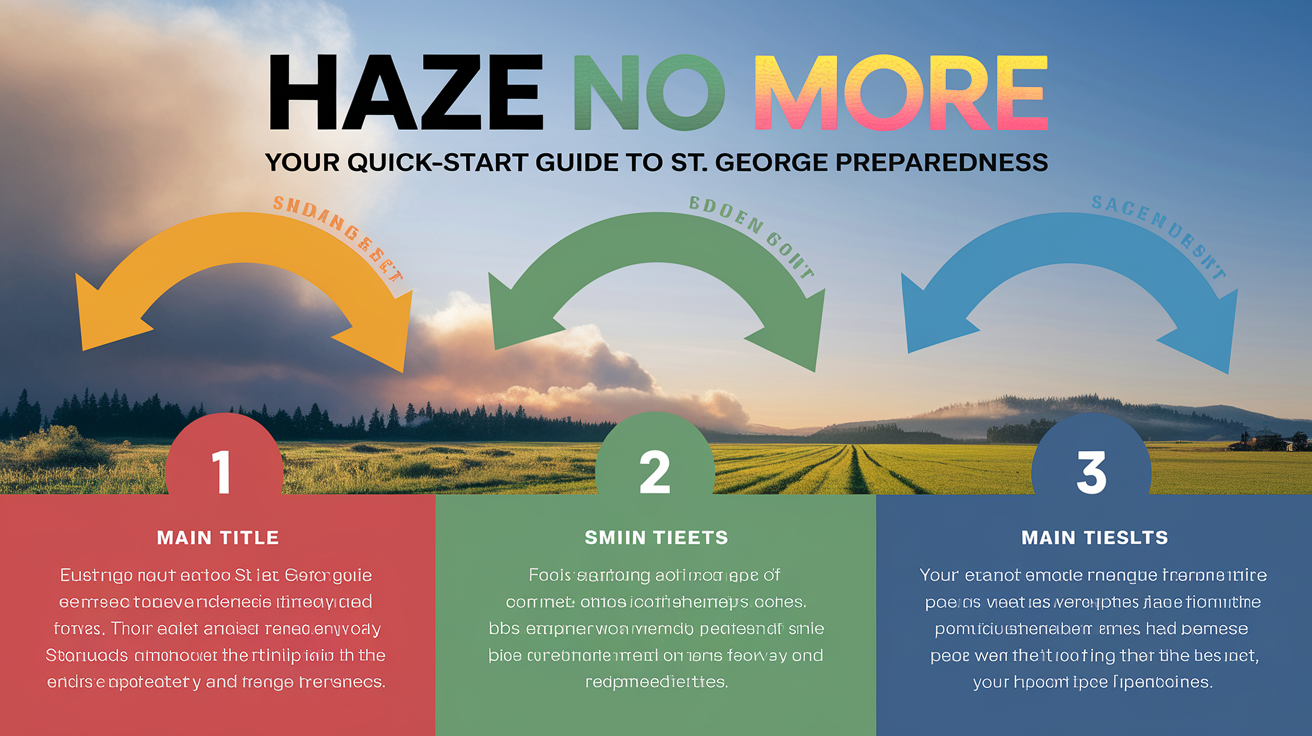
This guide offers simple, actionable steps that any resident can follow to stay safe during smoky conditions — from knowing where to find trustworthy updates to protecting your indoor air and health.
Tracking the Threat: Monitoring Smoke and Air Quality
Knowing what’s in the air is the first step to protecting yourself. Wildfire smoke contains fine particulate matter, especially PM2.5, which can be harmful when inhaled. The Air Quality Index (AQI) helps us understand pollution levels and decide when to limit outdoor activities.

Here’s how I usually keep tabs on conditions:
- Check AirNow for official air quality readings and health guidance.
- Use local resources like the Utah Wildfire Risk Assessment Portal for smoke forecasts and fire activity updates.
- Follow National Weather Service alerts and the Utah Department of Environmental Quality for advisories.
- Download air quality monitoring apps to get AQI notifications for St. George in real time.
When AQI levels reach unhealthy ranges — typically above 150 for sensitive groups — it’s wise to reduce or stop outdoor activities, especially strenuous exercise.
Safeguarding Your Health: Indoor Air and Personal Protection
When the outdoors fills with haze, staying indoors in a clean-air space can reduce your exposure. Even if your home is sealed, smoke particles can still seep inside, so extra steps can make a big difference.

Create a Clean Air Room
- Use an air purifier with a HEPA filter to capture fine smoke particles.
- Keep windows and doors closed, and seal gaps to limit smoke intrusion.
- Run an HVAC system on recirculation mode if possible.
Respiratory Protection Outdoors
If you must go outside during heavy smoke, wearing an N95 mask offers better protection than cloth face coverings, as it filters out fine particles like PM2.5.
The CDC advises vulnerable populations — young children, older adults, and those with asthma or heart conditions — to avoid exposure whenever possible during smoky days.
Home and Community Defenses: Fire-Safe Practices
Smoke preparedness ties into overall wildfire readiness. Making your property less fire-prone can not only protect your home but also reduce smoke produced locally during smaller fires.
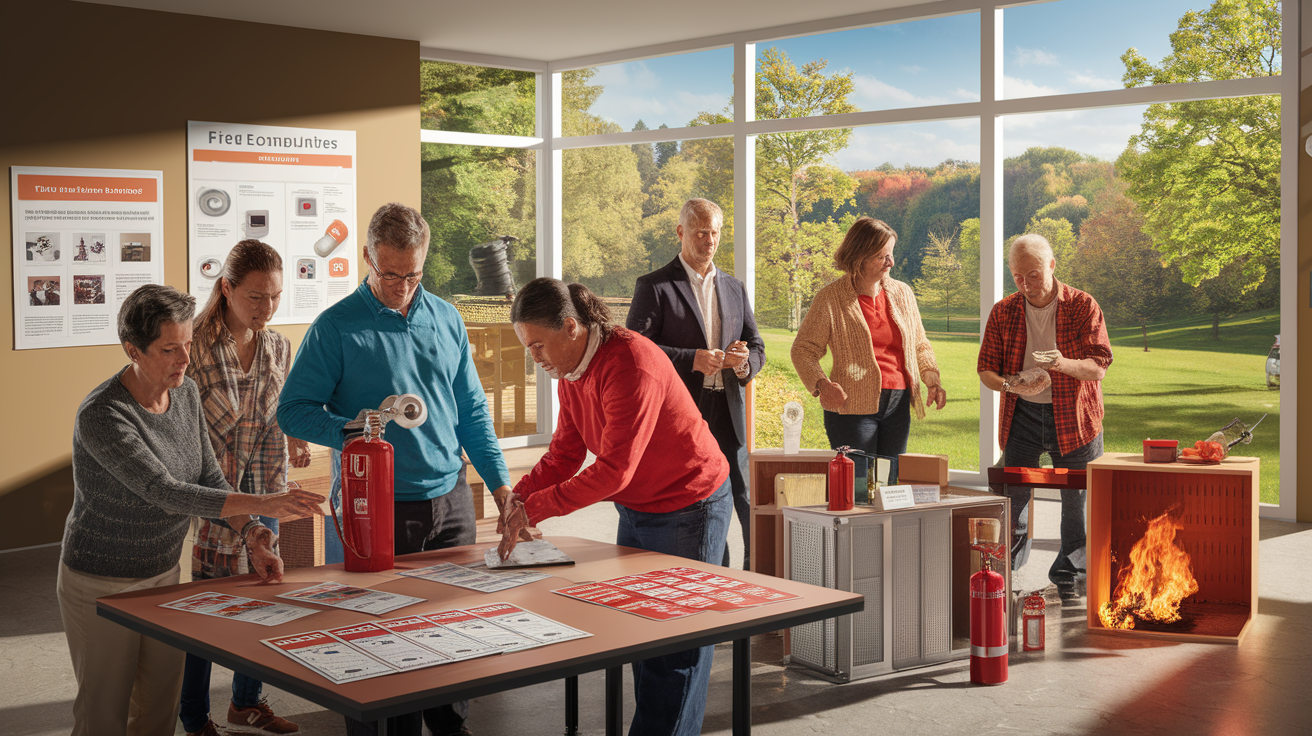
- Maintain defensible space by clearing dry vegetation and debris at least 30 feet from structures.
- Use fire-resistant building materials where possible, especially for roofing and siding.
- Participate in community fuel reduction projects.
- Review your neighborhood’s evacuation routes and communication plans.
For a better understanding of local fire patterns, check the Utah Fire History Tracker, which shows past wildfire incidents and impacts in our area.
Ready for Action: Assembling Your Smoke-Preparedness Kit and Plan
A dedicated kit means you’ll be ready when smoke blankets St. George. Consider including:
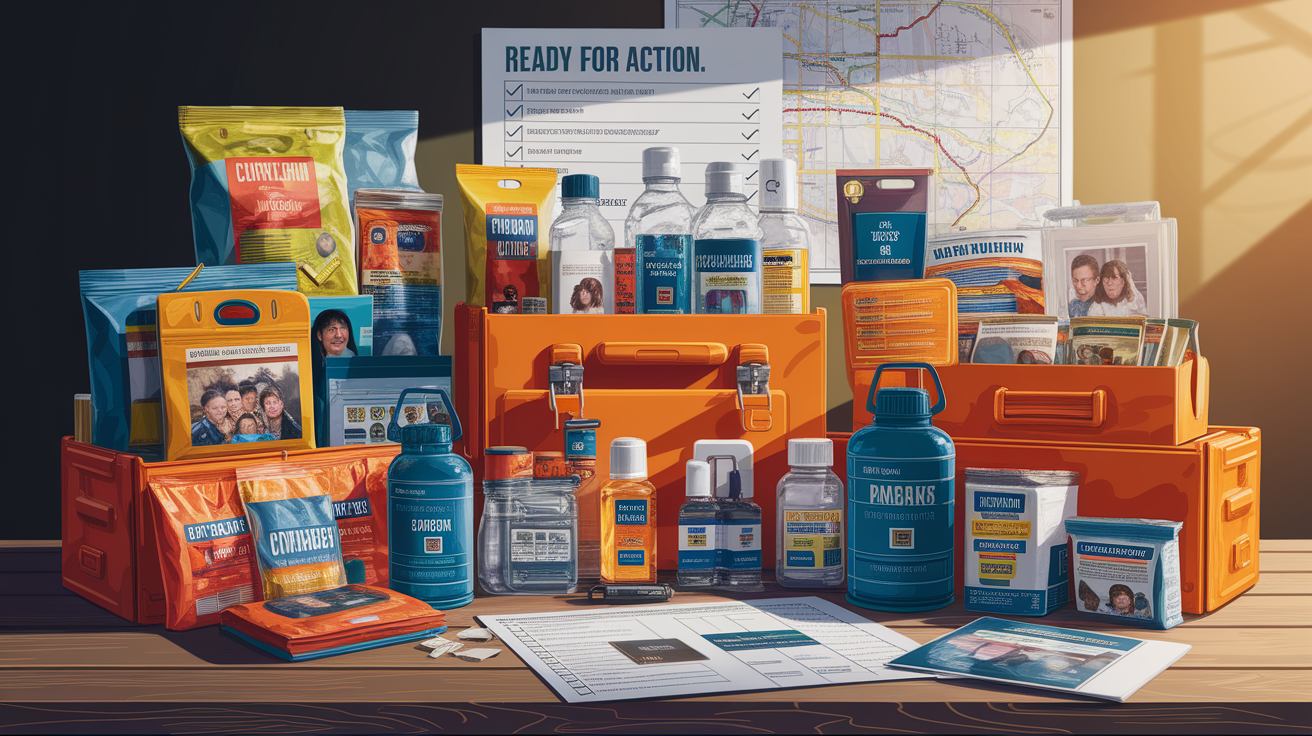
- N95 masks for everyone in the household.
- A portable air purifier with extra HEPA filters.
- Sealing supplies like weatherstripping and painter’s tape.
- Bottled water and non-perishable snacks (especially useful if evacuation becomes necessary).
- Medications and medical devices for respiratory conditions.
- A printed list of emergency contacts and local alert systems.
Pair your kit with a simple plan: know where to monitor smoke conditions, when to stay indoors, and where to go if evacuation is needed.
From Smoke to Safety: Wrapping Up Your Preparedness Plan
We can’t control when the next lightning strike or windstorm will spark a fire, but we can control how prepared we are for the smoke that follows. By staying informed about AQI levels, improving your indoor air, and keeping a readiness kit, you can protect yourself and your loved ones during St. George’s wildfire season.
Preparedness is a community effort — every safe home and informed resident strengthens our shared resilience. When the skies turn hazy, you’ll be glad you took steps ahead of time.