

St. George Urban Tree Planting Guide: From Regulations to a Lush Canopy
Rooting for Success: Your Quick-Start on St. George Tree Planting
In St. George, Utah, planting trees isn’t just about adding greenery—it’s about enhancing shade, improving air quality, supporting wildlife, and contributing to a thriving desert city. Whether you’re a homeowner, landscaper, or community volunteer, knowing the local guidelines and best practices makes a big difference in how well your trees establish and grow. As someone who’s walked the neighborhoods of the Dixie region and seen both successful and struggling trees, I know that starting off right can save you time, money, and effort in the long run.

St. George Urban Tree Planting Basics
The city’s hot summers and mild—but occasionally freezing—winters mean that tree choices and care routines need to be adapted to our desert conditions. Urban forestry here emphasizes water-wise landscaping, choosing drought-tolerant and heat-resilient species, and protecting infrastructure from potential tree root interference. Consistent soil preparation and mindful watering during establishment are key steps to success.
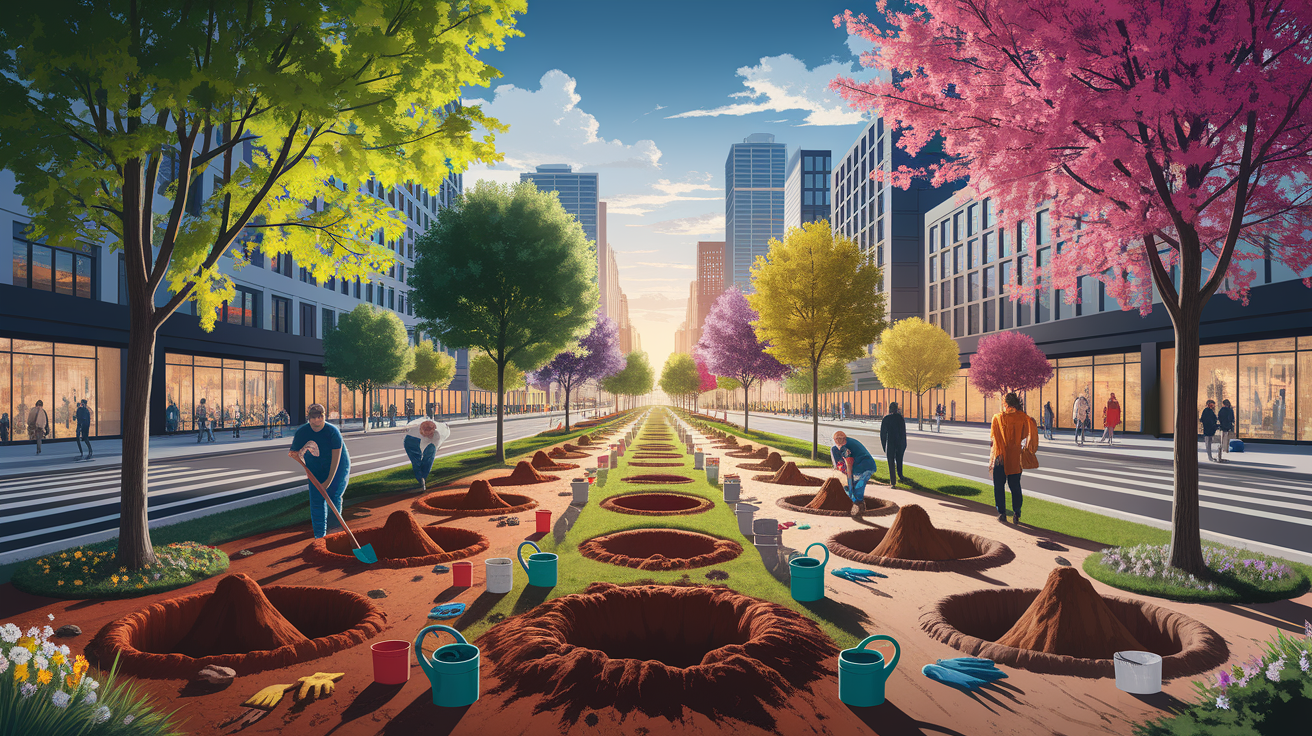
Before planting, think about:
- Site conditions: Soil type, drainage, sunlight exposure, and wind patterns.
- Purpose: Shade, screening, street appeal, or wildlife habitat.
- Space: Allow enough room for the tree’s mature height and canopy spread.
City Regulations to Know Before You Plant
St. George has clear municipal landscaping guidelines to avoid conflicts with power lines, underground utilities, and infrastructure. For example, trees near power lines must mature under 25 feet, maintain 10 feet clearance from lines, and can’t be planted within 3 feet of electric or gas lines. The city may remove trees that interfere with utilities. You can read the full rules in St. George’s landscaping standards and the community forestry program guidelines.

In short:
- Check site plans and approved species lists before planting.
- Get necessary permits if required under the municipal tree program.
- Preserve access to utilities and infrastructure.
- Do not remove approved trees without city permission.
Choosing the Right Trees for St. George
When picking trees for this desert climate, go for species that handle heat, occasional frost, and lower water availability. Common favorites include:
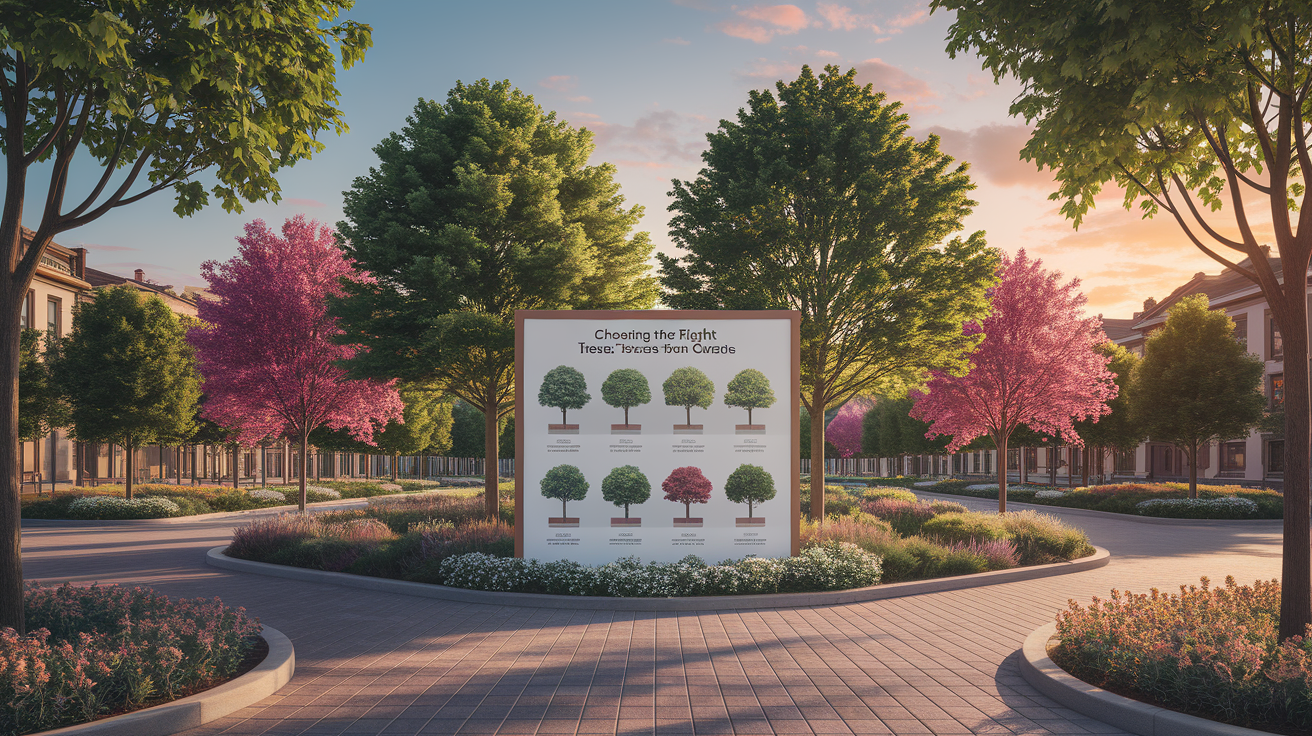
- Mexican Fan Palm and California Fan Palm – Tall, dramatic palms adapted to our climate.
- Flowering Plum and Bradford Pear – Medium-sized with attractive foliage and spring blooms.
- Chinese Pistache, Fruitless Mulberry, and Western Cottonwood – Excellent shade providers for larger spaces.
For more detailed recommendations tailored to local conditions, see True Roots Landscaping’s desert tree guide and St. George Landscaping’s traditional trees catalogue. These resources help identify native and adapted non-native species that thrive here.
Planting and Establishment Best Practices
Proper planting is about setting your tree up for decades of healthy growth. The city’s Community Forestry Program emphasizes matching species to space and site constraints, and ensuring adequate soil preparation.
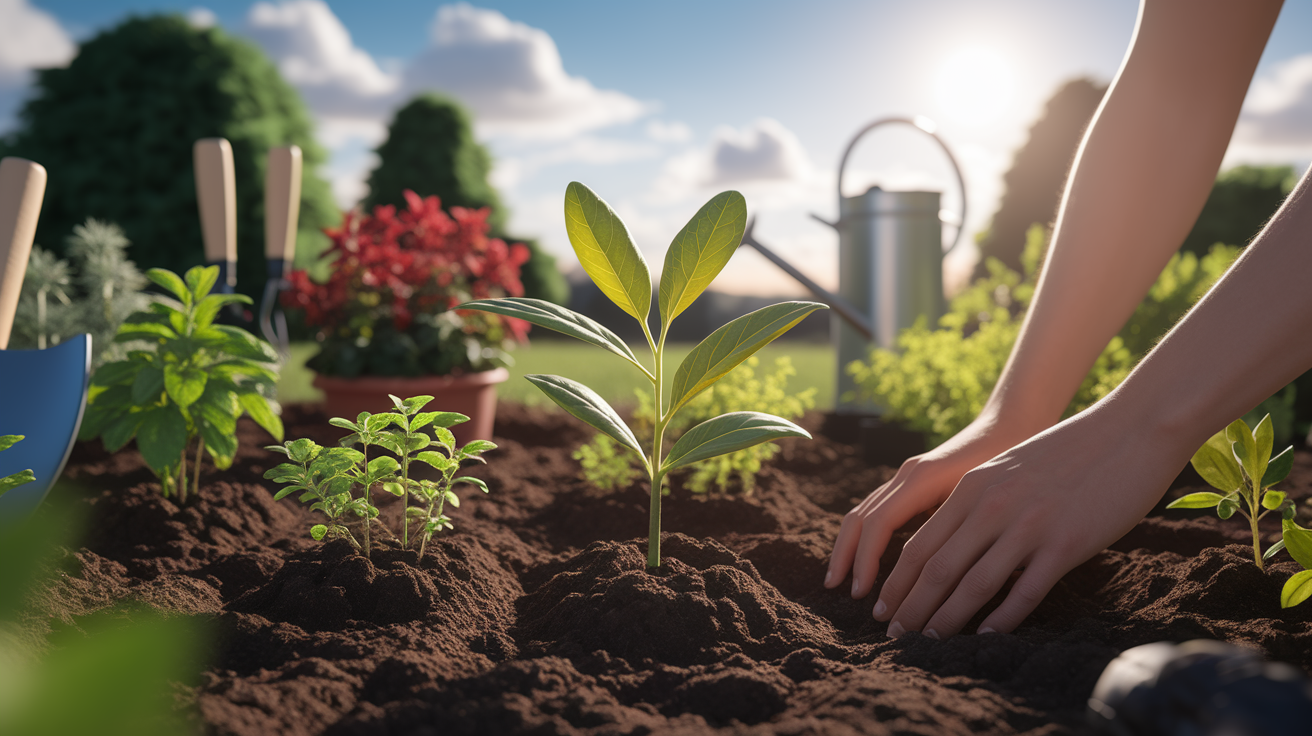
- Soil preparation: Loosen the planting area, amend if needed for drainage and nutrients.
- Following ANSI A300 standards: These professional guidelines help ensure transplant success (read more here).
- Watering regimes: Daily watering for container-grown plants initially; gradually taper as roots establish (practical tips).
- Pest protection: Use root baskets or guards in areas with gophers or similar pests.
The GreenBlue Urban Design Guide also discusses design and long-term benefits of mature canopy trees in urban spaces, which can guide your planning.
Maintenance and Long-Term Care
Caring for trees in St. George means paying attention to watering schedules, pruning routines, and health checks. Newly planted trees need extra care in their first few summers to withstand heat stress.
- Watering: Use drip irrigation as a water-efficient method. Adjust frequency based on season, rainfall, and soil moisture.
- Pruning: Remove damaged or crossing branches to improve structure and reduce disease risk.
- Mulching: Helps retain moisture and reduce soil temperature fluctuations.
- Monitoring: Watch for pests, nutrient deficiencies, or signs of stress, such as leaf scorch.
Consistent care also boosts survival rates and reduces the risk of heat damage or wind breakage in our desert environment.
Growing a Greener St. George: Your Next Steps
By carefully selecting species, respecting city regulations, and following sound planting practices, your trees can thrive and contribute to the city’s growing urban canopy. St. George’s blend of native vegetation and adapted ornamental trees offers a chance to enhance property values, reduce the urban heat island effect, and make neighborhoods more inviting.
So whether you’re planting one tree in your yard or coordinating with neighbors for a block-wide effort, take advantage of local resources, city guidelines, and proven planting techniques. By doing so, you’re not just planting a tree—you’re planting a legacy of shade, sustainability, and beauty for years to come.