
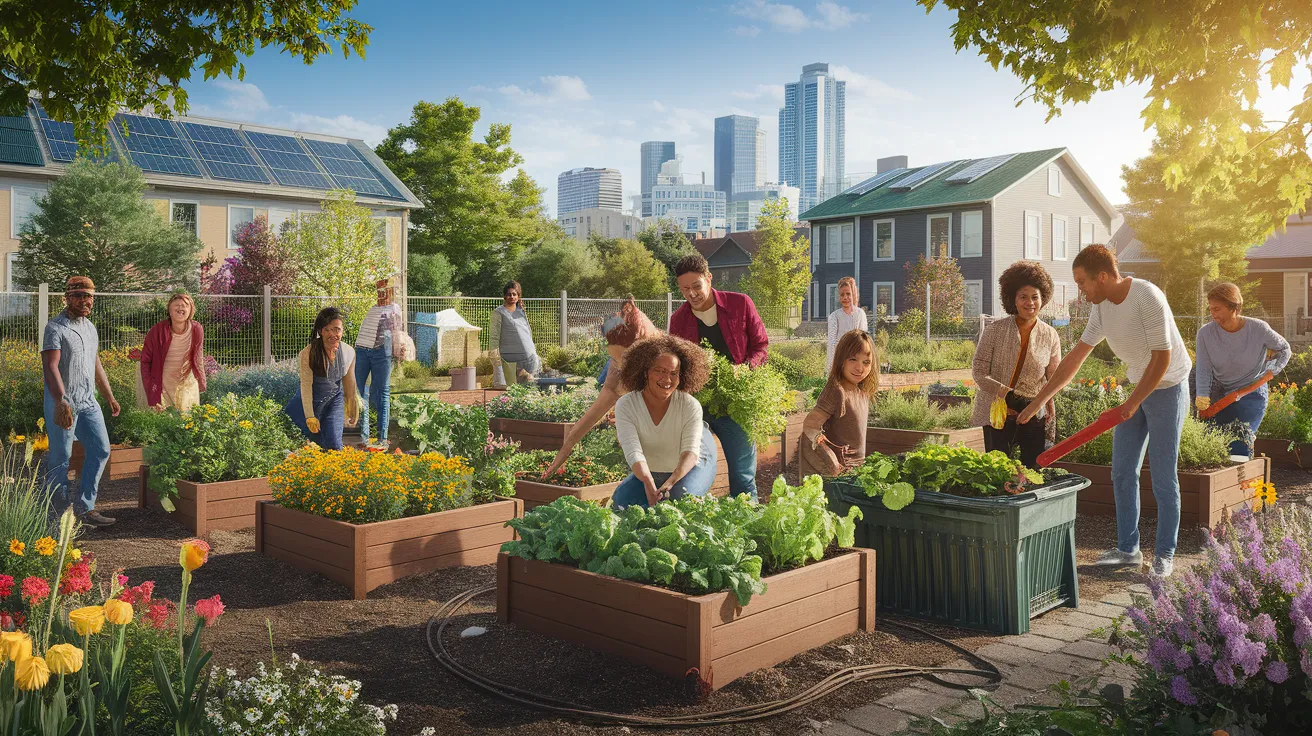
Cultivating Green Spaces: St. George’s Sustainable Urban Gardening Movement
Introduction – Growing a Greener Future
Have you noticed the green transformation happening in St. George? Our community is embracing sustainable urban gardening in remarkable ways, turning unused spaces into productive, eco-friendly growing areas. These gardens aren’t just beautiful—they’re building a more resilient, healthy community while addressing environmental challenges unique to our desert climate.

As someone who’s watched this movement blossom, I’m excited to share how local gardeners are working with nature rather than against it, creating sustainable food sources right where we live. Whether you’re a seasoned gardener or just curious about growing your first tomato plant, St. George’s urban gardening initiatives offer something for everyone.
Key Initiatives in St. George
Throughout St. George, numerous projects are demonstrating the power of community-based sustainable gardening:

- Community Education Programs: Local experts lead regular composting workshops that teach residents how to transform kitchen waste into garden gold. These hands-on sessions demonstrate how easily we can reduce landfill waste while creating rich soil amendments.
- School-Based Gardens: Saint George School has developed impressive organic gardens using recycled tires for raised beds, where students grow spinach, Swiss chard, tomatoes, and eggplants while learning about sustainability and healthy eating.
- Cooperative Urban Farms: Several urban farming initiatives have transformed vacant lots into productive growing spaces, operating through cooperative models where community members share in both the work and the harvest.
- Backyard Mentorship Programs: Experienced gardeners are partnering with beginners through mentorship programs, sharing desert gardening techniques that work specifically for St. George’s unique climate challenges.
These initiatives are part of a broader movement transforming our understanding of urban spaces—showing how even small plots in Washington County can become productive parts of our local food system.
Sustainable Practices and Techniques
What makes urban gardening in St. George truly sustainable are the techniques being employed that respect our natural environment and conserve precious resources:
Water-Wise Gardening
In our desert climate, water conservation is essential. Local gardeners are implementing:
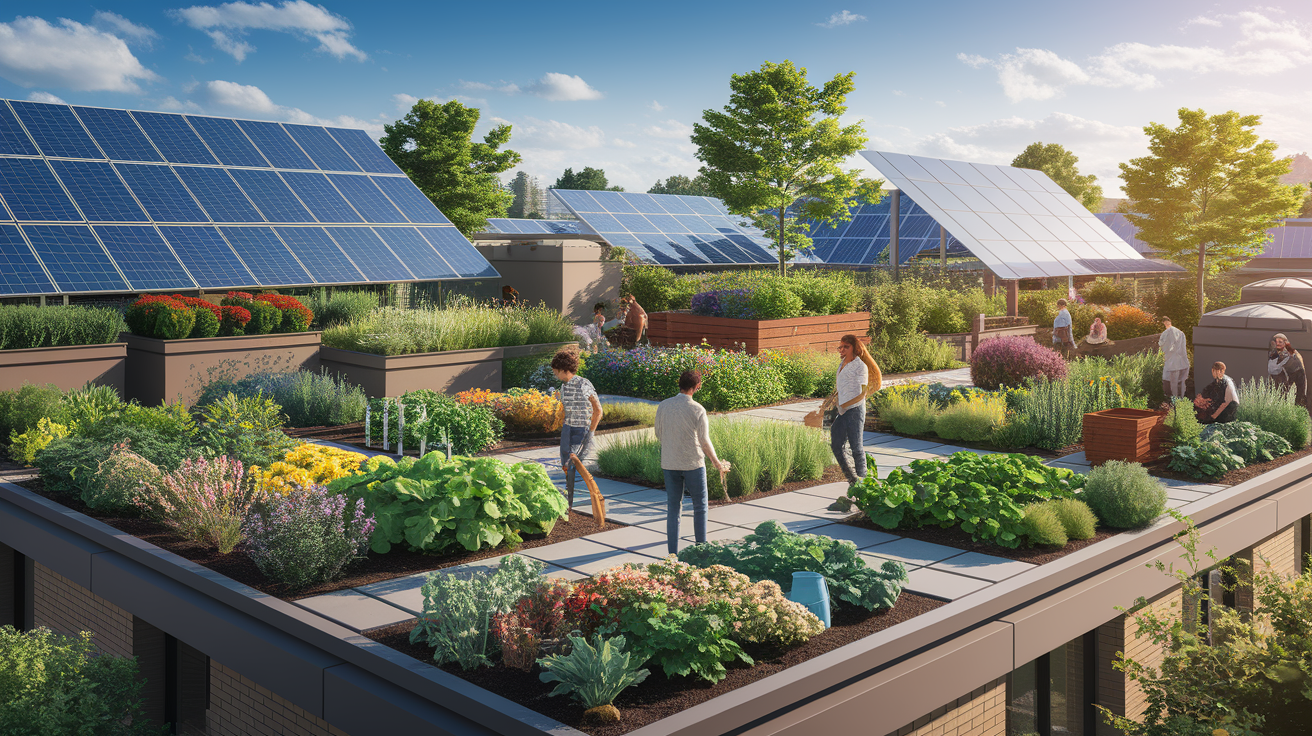
- Xeriscaping principles that emphasize drought-tolerant native plants
- Drip irrigation systems that deliver water directly to plant roots
- Rainwater harvesting setups to capture our infrequent but valuable rainfall
- Mulching techniques that significantly reduce evaporation
Soil Health Improvement
Many urban gardeners in St. George focus on building healthy soil as the foundation for sustainable gardens:
- Composting food scraps and yard waste to create nutrient-rich amendments
- Using cover crops to prevent erosion and add organic matter
- Implementing no-dig methods that preserve soil structure
- Avoiding chemical fertilizers in favor of organic alternatives
Creative Space Utilization
Limited space doesn’t mean limited growing potential. St. George gardeners are using:
- Vertical gardening techniques for apartments and small yards
- Raised beds made from recycled materials like tires
- Container gardening with self-watering features
- Community plots that allow apartment dwellers to access growing space
Benefits of Urban Gardening in St. George
The sustainable urban gardening movement is yielding impressive benefits throughout our community:
Health and Wellness Advantages
Urban farming initiatives provide numerous health benefits, including:
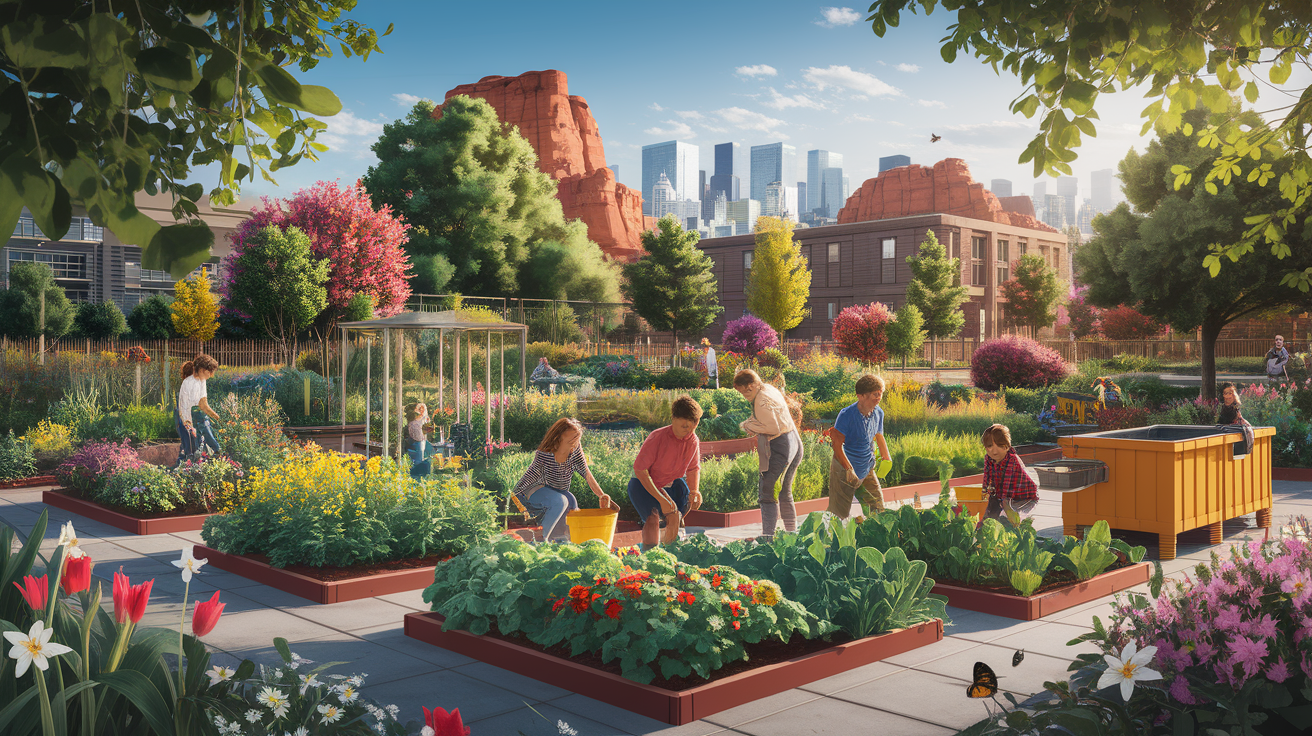
- Access to fresh, nutrient-rich produce without transportation barriers
- Physical activity through gardening that suits all ages and abilities
- Mental health benefits from connecting with nature and community
- Educational opportunities about nutrition and healthy eating habits
Environmental Impact
Beyond personal benefits, sustainable gardens contribute to our environmental health by:
- Reducing urban heat island effects through increased plant coverage
- Supporting pollinators and increasing local biodiversity
- Decreasing food miles and associated carbon emissions
- Diverting organic waste from landfills through composting
Community Building
Perhaps the most visible benefit is how these gardens strengthen our community:
- Creating shared spaces where diverse community members connect
- Providing opportunities for knowledge exchange between generations
- Increasing food security for vulnerable populations
- Beautifying neighborhoods and increasing property values
Conclusion – Sowing Seeds for Tomorrow
St. George’s sustainable urban gardening movement represents more than just a trend—it’s a practical response to environmental challenges and a pathway to community resilience. Whether you have a sunny windowsill, a small backyard, or access to a community plot, you can participate in this growing movement.

I’ve seen firsthand how these gardens transform not just spaces but people and communities. They provide hope and tangible solutions for addressing climate change, food security, and community wellness right where we live.
Ready to get your hands dirty? Consider attending a local composting workshop, volunteering at a school garden project, or simply starting with a few container plants on your patio. Every plant grown sustainably in St. George contributes to a greener, healthier future for us all.