

Harvesting the Skies: A Practical Rainwater Guide for St George, QLD
Welcome to the Water-Wise World: St George Rainwater Basics
Here in St George, Queensland, we know the value of every drop. Our semi-arid climate means rainfall can be sporadic, and with the St George Water Supply Scheme prioritizing certain allocations, it’s no surprise more locals are turning to rainwater harvesting as a smart supplementary water source. Whether you’re aiming to reduce your mains water use or wanting peace of mind during drought, collecting rainwater can be a straightforward and highly effective step toward sustainable living.

Simply put, rainwater harvesting means collecting rainfall from a surface—usually your roof—and storing it for later use. With the right system, the water can be used for garden irrigation, household tasks, or even drinking when appropriately treated.
Essential Components for Your St George Rainwater System
A good rainwater system combines simplicity with reliability. The main elements usually include:
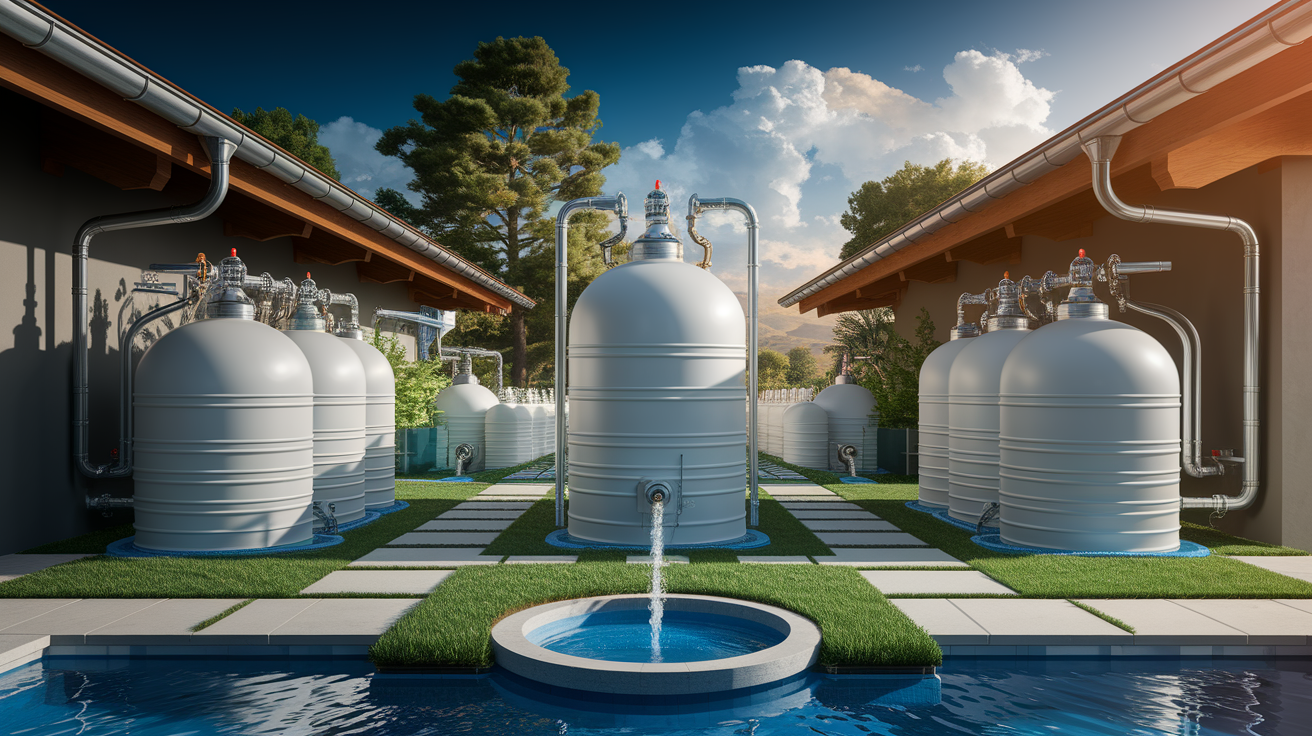
- Roof catchment area: Your roof collects the rain, so the material and surface condition matter.
- Gutters and downpipes: These channel water from the roof to storage; proper design reduces debris build-up.
- Leaf filters and rainheads: These help prevent leaves and pests from entering your system.
- First-flush diverters: A device that discards the first wash of rainwater, removing rooftop contaminants.
- Water storage tank or cistern: Available in various materials and sizes depending on usage needs.
- Insect screens and overflow system: Keep pests out and allow excess water to drain safely.
You can find a detailed breakdown of each component in resources like the Residential Rainwater Harvesting Guide and Cleanawater’s system overview.
Sizing Your System to St George’s Climate
Right-sizing your rainwater system is essential in a desert-edge environment like ours. Start with two main numbers: your roof area and your average local rainfall. By combining those figures, you can calculate your potential yield. As a rule of thumb, connecting as much roof space as possible will maximize your harvest—especially since our rainfall events can be infrequent but intense.

If you’re unsure, a helpful step-by-step approach is outlined in design and maintenance guidelines, including how to match storage capacity to water demand. For St George households, larger tanks offer more security during dry periods, but be mindful of space, cost, and permits.
Installation Insights: Setting Up Your System
Whether you’re keen on a DIY project or hiring a local installer, following proper guidelines ensures your system works efficiently and meets any local regulations. Key tips include:

- Position tanks near downpipes to reduce piping and pumping needs.
- Use gutter mesh to cut down on debris in the water.
- Fit calmed inlets in tanks to limit sediment disturbance.
- Select tank materials approved for potable water if intending for drinking use.
The Water-sensitive urban design guide offers excellent technical insights for getting it right from the start, including overflow pipe design and sediment management.
Maintenance Made Simple: Ensuring Quality and Longevity
Once installed, your rainwater harvesting system needs regular care. The goal is to keep the water safe and the system running smoothly. Here’s a simple routine:

- Clean gutters and downpipes at least twice a year.
- Check and clean leaf filters and insect screens regularly.
- Inspect tanks for any signs of biofilm build-up or sludge and clean as needed.
- Test water quality if you plan to use it for drinking.
Devices like first-flush diverters and roof washers greatly reduce contaminants. Proper maintenance procedures are explained in the Independent Rainwater Guide, which also covers health outcomes.
Optimizing Your Harvest: Using and Benefiting from Your Rainwater
Once you have rainwater stored, it’s time to reap the rewards. In St George, many households use their collection for:
- Garden irrigation: Perfect for lawns, vegetable gardens, and xeriscaping projects.
- Household tasks: Washing cars, flushing toilets, or doing laundry.
- Backup supply: Maintaining resilience during mains water restrictions.
For drinking use, install a suitable filtration and disinfection system as outlined in treatment best practices. Some households also integrate rainwater with water-efficient appliances, reducing overall demand on both rainwater and mains water.
From Raindrops to Resilience: Your Next Steps
Rainwater harvesting in St George is more than a cost-effective water solution—it’s a step toward self-reliance and environmental stewardship. The benefits extend beyond lower water bills; you’ll be helping to ease strain on our municipal supply and contributing to a more resilient community.
With resources such as the Beginner’s Guide to Rainwater Harvesting, you can take confident steps toward planning, installing, and maintaining your own system. Every tank, barrel, and drop collected brings you closer to living sustainably in our beautiful but water-limited part of Queensland.