
Maximizing St. George Preservation Tax Credits: A Practical Guide
Unlocking St. George’s Historic Goldmine
St. George, Utah, with its rich heritage and charming historic districts, isn’t just a feast for the eyes—it’s also a place where preserving history comes with tangible financial benefits. If you’ve ever admired a beautifully restored brick building in downtown or wandered past an old storefront with vintage character, chances are you’ve seen the results of historic preservation efforts. What many locals and property owners don’t realize is that historic preservation tax credits could help make those projects more affordable.

These incentives are designed to encourage the rehabilitation of qualifying historic buildings while maintaining their architectural integrity. Here in Washington County, and across Utah, tax credits can significantly ease the cost of bringing a historic property back to life, whether it’s for commercial reuse or residential restoration.
Core Preservation Tax Credit Programs
There are two major programs that apply to St. George historic properties: federal and state incentives.
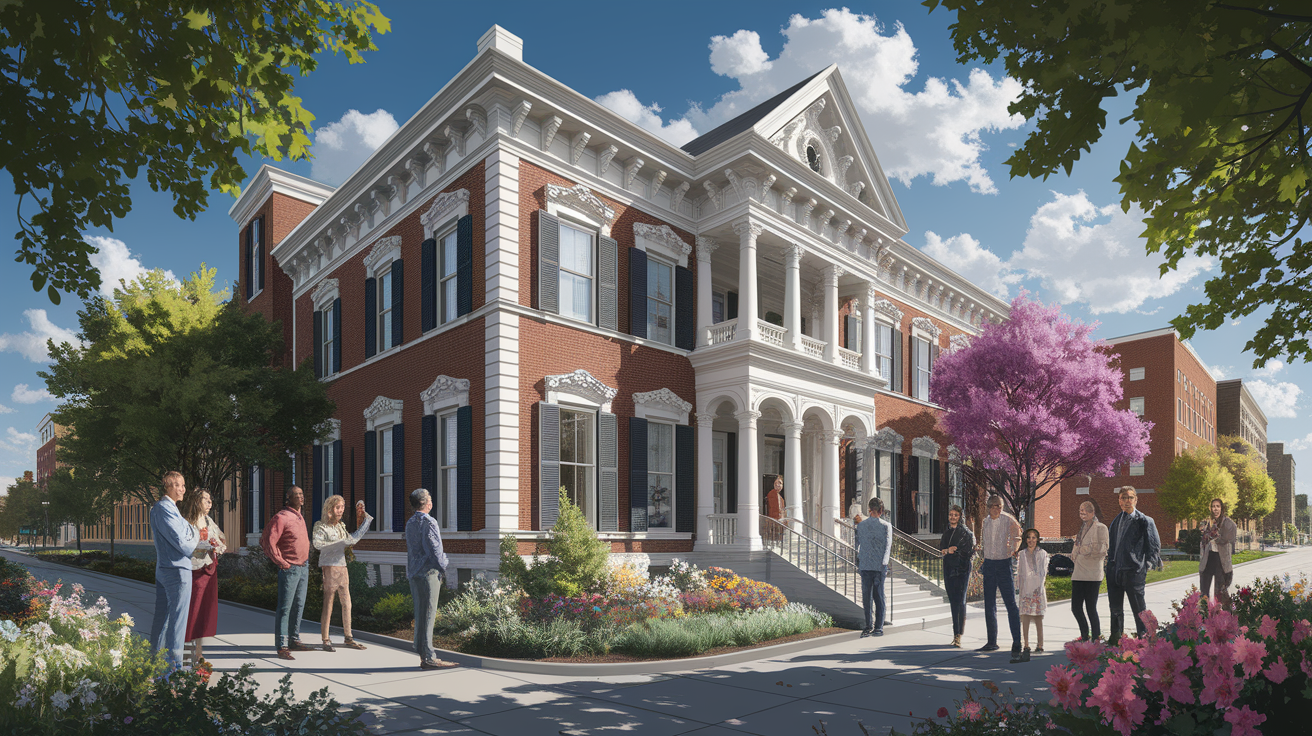
- Federal Historic Preservation Tax Credit – This program offers a 20% income tax credit for qualified rehabilitation expenses of income-producing historic properties listed in the National Register of Historic Places. The process involves review by the Utah State Historic Preservation Office and final approval from the National Park Service.
- Georgia State Historic Preservation Tax Credit – While Utah operates its own state incentives, Georgia’s program is an example of how state-level tax credits can complement federal benefits by offering additional financial relief. Details for Georgia’s approach can be found via the Georgia Department of Community Affairs. Utah’s state tax incentives follow a similar principles-based model that includes caps and specific eligibility rules.
The combination of federal and state programs creates a valuable framework that encourages owners to invest in preservation rather than demolition.
Are You Eligible? Key Requirements
Not every building in St. George will qualify, but here’s how to quickly determine your chances:

- Your property must be listed in—or eligible for—the National Register of Historic Places, or located within a designated historic district.
- Projects must be income-producing for federal credits, though state programs may allow owner-occupied residences under certain conditions.
- Rehabilitation must strictly follow the Secretary of the Interior’s Standards for Rehabilitation, ensuring work preserves historic character and architectural details.
- Expenses must be “substantial”—meaning they meet minimum investment thresholds compared to the property’s adjusted basis.
Local inquiries can begin with the Utah State Historic Preservation Office, which provides guidance on historic designation and compliance requirements.
Step-by-Step Application Process
Successfully applying for preservation tax credits requires planning and attention to detail. Here’s a simplified walk-through based on the established federal process:

- Part 1 – Evaluation: Document the building’s historic significance and confirm eligibility with your State Historic Preservation Office.
- Part 2 – Detailed Rehabilitation Proposal: Submit architectural plans and descriptions of the intended rehabilitation work showing compliance with historic preservation standards.
- Part 3 – Project Completion: After work is finished, submit final documentation to verify that the rehabilitation met approved guidelines and preserved the property’s integrity.
It’s important not to begin major work before receiving proper approvals, as this could risk disqualification from the program. The Georgia DCA’s Federal Tax Incentives page offers useful insights into these stages, applicable in principle to Utah’s own application procedures.
Maximizing Your Credit Potential
To get the most benefit from St. George’s preservation tax credits, consider these tips:

- Combine federal and state incentives to maximize savings.
- Work with architects and contractors experienced in historic restoration to avoid compliance errors.
- Keep thorough records of all qualifying expenses during rehabilitation.
- Engage early with the Utah State Historic Preservation Office for project guidance.
This dual approach—practical planning with professional support—can make your historic renovation not only more rewarding but also more financially viable.
Economic and Community Benefits in St. George
Beyond tax savings, preservation projects bring tangible gains to St. George’s economy and community identity. They help revitalize underused spaces, stimulate local construction jobs, and attract heritage tourism. Nationwide, the federal program has leveraged over $127 billion for more than 50,000 historic properties since 1976, according to the National Park Service.
In St. George, preserved historic buildings contribute to the city’s unique atmosphere—something residents and visitors alike value. Keeping our heritage intact strengthens community pride and fosters sustainable growth.
Preserving Tomorrow, Today in St. George
St. George’s historic preservation tax credits are more than a financial perk—they’re a catalyst for protecting the stories, architecture, and spirit of our city. For property owners willing to embrace the responsibility of maintaining historic integrity, these programs make restoration more affordable and achievable. Whether you’re restoring a 1920s storefront or revitalizing an old neighborhood landmark, your work ensures that future generations will enjoy the same character and charm that make St. George special.
If you’re ready to explore your eligibility and start the process, local and federal resources—from the Utah State Historic Preservation Office to the National Park Service’s Tax Incentives Program—are available to guide you every step of the way.