Exploring the Historical Treasures of St. George, Utah
Introduction – A Journey Through Time in St. George
Walking through St. George is like stepping through the pages of a fascinating history book. Founded in 1861 under the direction of Brigham Young, this desert community earned its nickname “Utah’s Dixie” when Mormon pioneers were sent here to grow cotton in the warm southern climate. The determination of these early settlers transformed a harsh landscape into a thriving community that continues to honor its rich heritage today.
As you explore St. George, you’ll discover a remarkable collection of historical sites that tell the story of pioneer resilience, religious devotion, and community building. From impressive religious structures to humble pioneer homes, each site offers a glimpse into the challenges and triumphs of those who shaped this unique corner of Southern Utah. Let me guide you through some of the most significant historical treasures that make St. George a must-visit destination for history enthusiasts.
The St. George Temple and Tabernacle
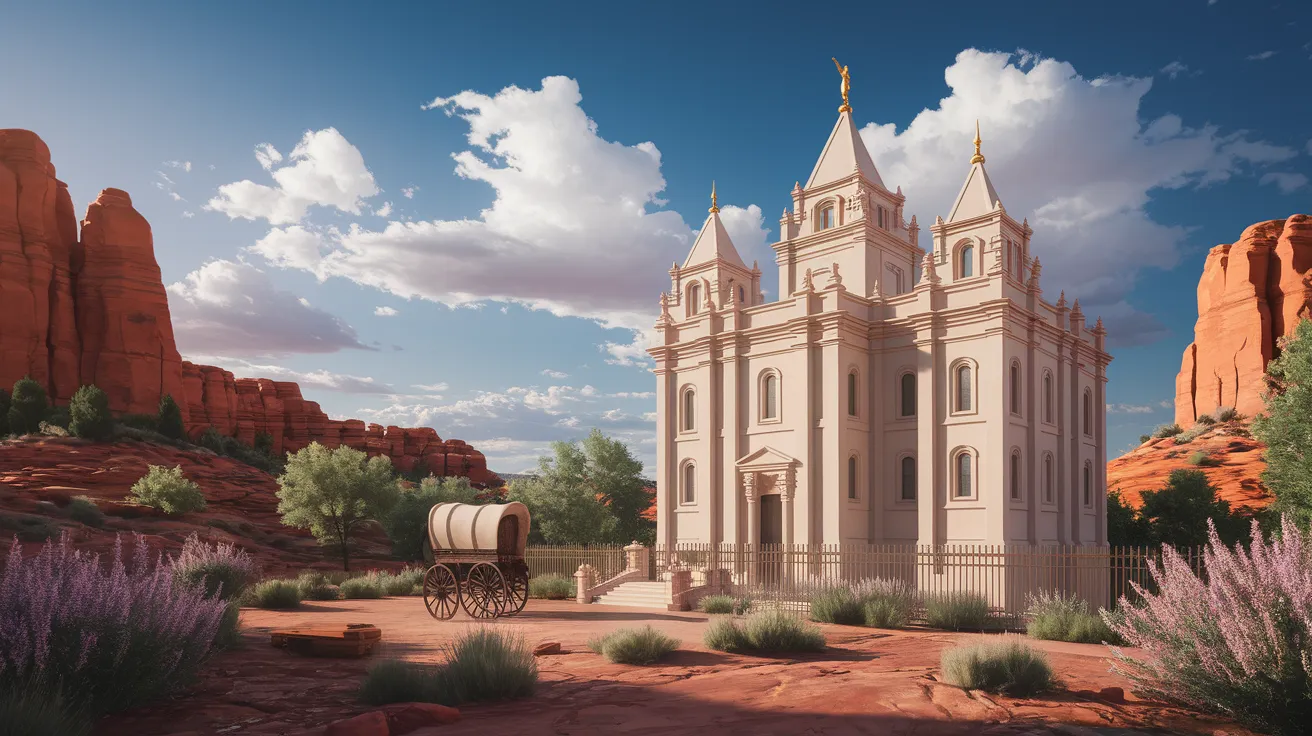
The most iconic historical landmark in St. George is undoubtedly the St. George Temple. Completed in 1877, it holds the distinction of being Utah’s first temple built after the pioneers’ arrival. What many visitors find fascinating is the incredible commitment shown during its construction – local settlers hauled volcanic rock for the foundation and crafted beautiful sandstone walls by hand. The gleaming white exterior stands as a testament to pioneer determination and faith.

Just a short walk away stands the St. George Tabernacle, another architectural gem completed in 1876. With its distinctive New England-style design and capacity to seat 1,200 people, the tabernacle served as both a worship space and cultural venue for the growing community. During a recent restoration, workers discovered a time capsule containing fascinating artifacts from the pioneer era. Today, visitors can enjoy free guided tours of this beautifully preserved building with its impressive interior woodwork and historical exhibits.
What I find particularly striking about these structures is how they represent the pioneers’ determination to create beauty and permanence despite limited resources and challenging conditions. These buildings weren’t just functional—they were symbols of community pride and spiritual commitment.
Brigham Young’s Winter Home and Pioneer Life
One of my favorite spots to recommend in downtown St. George is Brigham Young’s Winter Home, which he purchased in 1872. This well-preserved residence offers a fascinating glimpse into the life of the influential Mormon leader who directed much of St. George’s early development. Young expanded the modest home to accommodate his polygamous family during winter stays in the milder southern Utah climate. Today, knowledgeable guides lead tours through the historical interiors, explaining the unique architectural features and sharing stories about pioneer domestic life.
The pioneer experience comes alive at several other notable sites throughout St. George:
- The Old Pioneer Courthouse, which initially served as a courthouse but later fulfilled multiple community functions
- The Jacob Hamblin Home, showcasing the living conditions of this important pioneer and missionary
- The Daughters of Utah Pioneers Museum, housing artifacts and exhibits that detail daily pioneer life
These sites collectively tell the story of determination and community building that characterized early settlement in Washington County. When you walk through these historic doorways, you’re literally stepping into spaces where pivotal decisions about irrigation, agriculture, and community development were made.
Reflecting on the Mountain Meadows Massacre
Not all history is celebratory, and St. George’s historical narrative includes a somber chapter known as the Mountain Meadows Massacre. In September 1857, near Pine Valley (about 30 miles north of St. George), approximately 120 California-bound emigrants lost their lives in a tragic event involving local Mormon settlers, though church leadership was not directly involved.

Today, the site is recognized as a National Historic Landmark with a granite memorial listing the names of victims and survivors. Visitors will find a cairn marking the burial site and an interpretive trail that provides historical context about this complex and painful event. The Church of Jesus Christ of Latter-day Saints maintains the memorial site, which offers a space for quiet reflection on the consequences of fear, miscommunication, and conflict.
Understanding this difficult chapter is essential for comprehending the complete historical picture of Southern Utah. As with many historical sites associated with tragedy, the memorial provides an opportunity for contemplation and learning from the past.
The Architectural Diversity of St. George
Beyond individual landmarks, the entire St. George Central City Historic District offers a fascinating study in architectural evolution. This district, historically significant from 1862-1975, features the oldest collection of adobe buildings in Utah, reflecting the community’s economic journey from cotton farming to tourism.

The district’s layout follows the “Plat of the City of Zion,” a utopian planning concept that guided many early Mormon settlements. Wide streets, uniform blocks, and strategic placement of public buildings reveal much about the community’s values and social structure. As you walk through Historic Downtown St. George, you’ll notice:
- Adobe structures that utilized locally available materials
- Ornate Victorian influences in later buildings as prosperity increased
- Public spaces designed for community gathering and interaction
- Adaptive reuse of historic buildings that now house shops and restaurants
Architecture enthusiasts will appreciate how the built environment of St. George tells the story of its development, from humble pioneer beginnings to its growth as a gateway to nearby national parks. The Washington County Historical Society provides excellent resources for those interested in exploring the architectural heritage in greater depth.
Conclusion – Preserving the Legacy of St. George
As you explore the historical treasures of St. George, you’ll gain appreciation for the layered story of this unique community—from its challenging pioneer beginnings to its evolution into a vibrant city that honors its past while embracing the future.
The historical sites we’ve explored represent more than just buildings; they’re physical connections to the people and events that shaped Southern Utah. Whether you’re interested in religious history, pioneer resilience, architectural diversity, or simply enjoying a walking tour through a charming historic downtown, St. George offers meaningful experiences for visitors of all backgrounds.
For the most enriching experience, consider taking a self-guided walking tour of the historic district or joining one of the guided tours available at many sites. Each historical treasure in St. George has been carefully preserved to ensure that future generations can continue to learn from and be inspired by this remarkable desert community’s past.