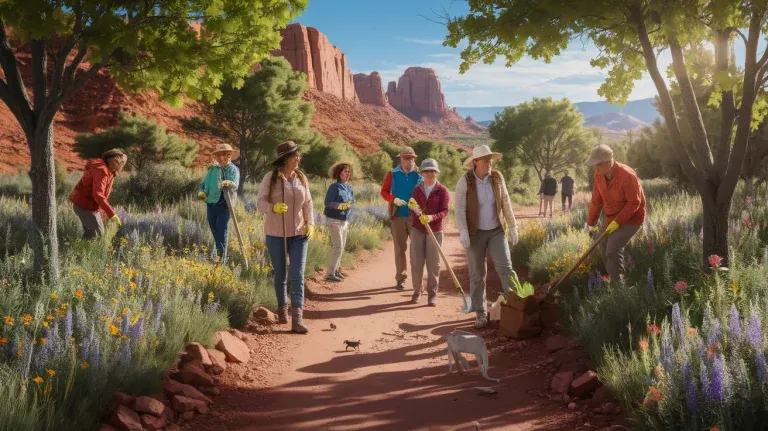

Stay Safe While Hiking in St. George: Essential Tips for Adventurers
Introduction – Discover the Beauty of St. George Safely
Having explored the red rock landscapes and stunning desert terrain of St. George for years, I can tell you it’s truly a hiker’s paradise. With diverse trails ranging from gentle walks to challenging adventures, this corner of Utah offers breathtaking views and unique geological wonders year-round. But as beautiful as our desert landscape is, it requires proper preparation and respect.

The mild winters make St. George a popular destination for outdoor enthusiasts throughout the year, though spring and fall offer the most comfortable temperatures. Before you hit the trails of Snow Canyon State Park or Red Cliffs Desert Reserve, it’s essential to understand the unique challenges of desert hiking and how to prepare for them. Your safety ensures you can fully enjoy everything our magnificent trails have to offer.
Preparing for the Desert Climate
The desert climate in St. George demands specific preparation that visitors from more temperate regions might not initially consider. Here’s what you need to know:

- Hydration is critical – Always carry more water than you think you’ll need. As a general rule, plan for at least 1 liter of water per 2 hours of hiking in cooler months, and double that during summer.
- Sun protection is non-negotiable – The desert sun is intense even on cloudy days. Wear a wide-brimmed hat, sunglasses, and apply broad-spectrum sunscreen regularly.
- Dress appropriately – Lightweight, breathable, long-sleeved clothing offers better protection than tank tops. Consider moisture-wicking fabrics and always bring layers as temperatures can fluctuate dramatically.
- Footwear matters – Sturdy hiking boots or trail shoes with good ankle support and grip are essential for navigating our rocky, uneven terrain.
I always recommend starting hikes early in the morning, especially during summer months when temperatures can soar above 100°F by midday. The golden light at dawn not only offers spectacular photography opportunities but also the safest hiking conditions. Many locals finish their summer hikes before 10 a.m. to avoid heat exhaustion and dehydration risks.
Navigating the Trails
Even experienced hikers can find navigation challenging in our desert landscape where trails sometimes blend into the natural surroundings. Here’s how to stay on course:
Always carry a physical map or download a digital version before heading out, as some of our trails have limited signage. Local trail maps are your best resource for accurate, up-to-date information. Many trails in Snow Canyon State Park and Red Cliffs Desert Reserve have marker posts, but they can be subtle and sometimes weathered.
Before setting out, inform someone about your hiking plans, including:

- Which trail you’re taking
- Your expected return time
- What gear you’re carrying
- Who is in your hiking party
This simple step can be lifesaving if something unexpected happens. Cell service is spotty or non-existent on many St. George trails, so don’t rely on being able to call for help in an emergency.
Watch for cairns (small rock piles) that often mark trails across slickrock sections where the path isn’t obvious. However, remember that these can sometimes be misleading if created by other hikers, so always cross-reference with your map.
Understanding Local Wildlife and Weather
Our desert ecosystem hosts diverse wildlife including rattlesnakes, scorpions, and occasional mountain lions. While encounters are rare, it’s best to be prepared:

- Stay alert and watch where you place your hands and feet
- If you encounter a snake, give it space and walk around
- Make gentle noise while hiking to alert wildlife of your presence
- Keep dogs leashed where permitted (many trails don’t allow pets)
Weather conditions can change rapidly in the desert. Checking forecasts before heading out is essential, particularly during monsoon season (July through September) when afternoon thunderstorms can create dangerous flash flood conditions in slot canyons and washes.
Even on seemingly mild days, watch for signs of approaching storms: building clouds, distant thunder, or sudden wind changes. If caught in a rainstorm, move to higher ground immediately and avoid narrow canyons or drainage areas where flash flooding can occur with little warning.
Popular Trails and Their Challenges
Each trail around St. George offers unique experiences and challenges. Here are some favorites and what to expect:
Red Reef Trail in Red Cliffs Desert Reserve features beautiful stream crossings and even a small waterfall climb that requires some agility. This moderate trail can be slippery when wet, and summer hikers should be aware that the water level varies seasonally.
Petrified Dunes Trail in Snow Canyon State Park offers a surreal landscape of ancient, petrified sand dunes. The uneven surface requires good balance and ankle strength. In summer, the exposed rock becomes extremely hot by midday – another reason for those early starts!

Johnson Canyon Trail is a relatively flat, family-friendly option, but note that it’s seasonally closed (usually March through October) to protect wildlife. Checking trail conditions before planning this hike is essential.
Scout Cave Trail rewards hikers with panoramic views after traversing lava fields and sandstone formations. The longer distance (about 4 miles round trip) makes proper water planning crucial, especially in warmer months.
Utilizing Resources for a Safe Experience
Take advantage of the many resources available to enhance your hiking safety:
- Visit the ranger stations at Snow Canyon State Park or Red Cliffs Desert Reserve for current conditions and safety tips
- Check hikestgeorge.com for local expertise and up-to-date trail information
- Download hiking apps that allow offline map access
- Consider joining guided hikes if you’re new to the area
The visitor centers can provide information about any trail closures, wildlife advisories, or seasonal considerations that might affect your hike. They can also advise on which trails are most appropriate for your experience level and the current weather conditions.
For those interested in learning more about the area’s geology, ecology, or history while hiking safely, local guided tours are available and often enhance the experience with expert knowledge.
Conclusion – Embrace the Adventure, Safely
St. George’s trails offer some of the most rewarding hiking experiences in the Southwest, from the otherworldly landscapes of Snow Canyon to the dramatic red cliffs of the desert reserve. With proper preparation, respect for the environment, and an understanding of desert safety principles, your hiking adventures here can be both exhilarating and safe.
Remember that the desert’s beauty comes with unique challenges that demand respect. By planning ahead, staying informed, and following these safety guidelines, you’ll be well-prepared to explore the incredible natural wonders that make St. George a world-class hiking destination. Happy trails!