
Living Green in St. George: Simple Tips for a Sustainable Lifestyle
Introduction – Welcome to Eco-Friendly Living in St. George
As someone who’s lived in St. George for years, I’ve come to appreciate how our unique desert environment presents both challenges and opportunities for sustainable living. Our sun-drenched landscape and distinctive climate call for thoughtful approaches to conservation and eco-friendly practices. Whether you’ve just moved to our beautiful corner of Utah or you’re a longtime resident looking to reduce your environmental footprint, there are plenty of accessible ways to embrace greener living here. Let me share some practical tips that work especially well in our desert community, where every drop of water counts and the abundant sunshine offers renewable energy potential like few other places.

Energy Efficiency Made Easy
Living sustainably in St. George starts with making smart energy choices that are perfectly suited to our desert climate.
One of the simplest steps is replacing traditional bulbs with energy-efficient LED lighting throughout your home. These bulbs not only use up to 75% less energy but also last much longer, making them ideal for our sunny St. George homes.
Our abundant sunshine makes this area perfect for renewable energy. Many neighbors I’ve spoken with have seen significant savings after installing solar panels. With over 300 sunny days annually, St. George is ideally situated to harness solar power, reducing both carbon footprints and energy bills.

For more immediate energy savings:
- Unplug electronics when not in use or invest in smart power strips that prevent phantom energy drain
- Upgrade to ENERGY STAR appliances when replacing old ones
- Improve home insulation to keep cool air in during our hot summers
- Consider air source heat pumps, which work efficiently in our climate
- Use ceiling fans to supplement air conditioning and raise your thermostat a few degrees
I’ve found that proper heating and ventilation practices, like maintaining consistent thermostat settings and airing rooms regularly during cooler parts of the day, have made a noticeable difference in my home’s energy consumption while keeping it comfortable year-round.
Waste Reduction Strategies
Reducing waste is another critical aspect of sustainable living in St. George, where our desert ecosystem is particularly sensitive to pollution.
Start by becoming familiar with local recycling programs. St. George offers recycling services, but knowing exactly what can and cannot be recycled helps maximize their effectiveness. I keep a simple guide on my refrigerator as a handy reference.
Composting food scraps is surprisingly effective in our desert climate when done correctly. Not only does this prevent methane emissions from landfills, but it also creates rich soil for desert-adapted gardens. Even apartment dwellers can use compact composting systems that work well indoors.
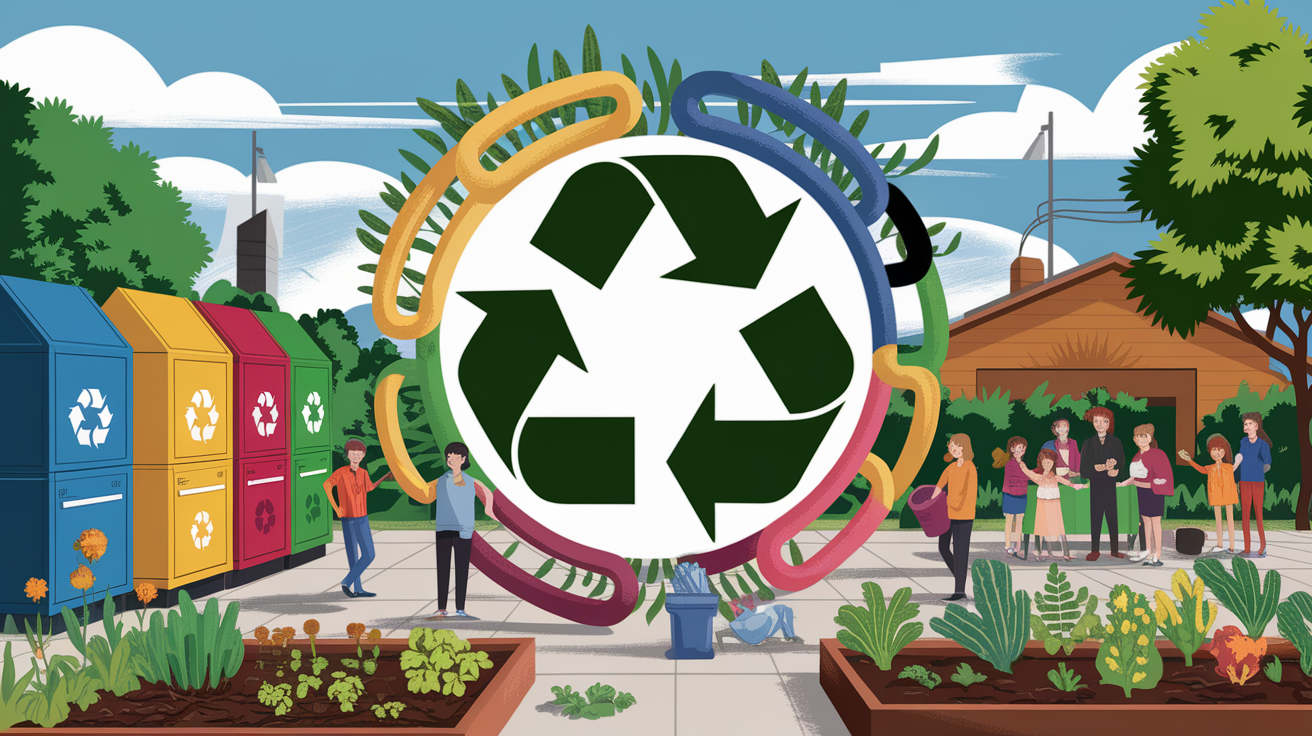
Eliminating single-use plastics makes a huge difference in reducing waste. Consider:
- Using reusable shopping bags (keep some in your car so you’re never without them)
- Switching to reusable containers and beeswax wraps instead of plastic wrap
- Carrying a refillable water bottle—essential in our hot climate anyway!
- Shopping at local stores that offer packaging-free options
I’ve also found that choosing second-hand or sustainably made products not only reduces waste but often discovers unique items with character. St. George has several excellent thrift and consignment stores worth exploring.
Water Conservation Techniques
In our arid St. George climate, water conservation isn’t just environmentally responsible—it’s essential. Having lived through several drought cycles here, I’ve learned that every drop truly matters.
Start with the basics inside your home:

- Fix leaky faucets and toilets promptly—even small leaks waste surprising amounts of water
- Install low-flow showerheads and faucet aerators to reduce water use without sacrificing performance
- Consider upgrading to high-efficiency toilets, which use significantly less water per flush
- Run dishwashers and washing machines only with full loads
Outside is where the biggest water savings typically happen in St. George homes:
- Replace thirsty lawns with xeriscaping and drought-resistant native plants
- Install drip irrigation systems for targeted watering with minimal waste
- Use rainwater harvesting systems to capture our occasional but intense rainfall
- Water early morning or evening to minimize evaporation in our hot climate
I’ve personally saved thousands of gallons annually by switching to xeriscaping in my front yard, featuring beautiful red yucca, desert marigold, and other native plants that thrive with minimal irrigation.
Sustainable Food Habits
Creating sustainable food habits in St. George connects us to the land while reducing our environmental impact.
Our year-round growing season offers amazing opportunities for home gardening. Even if you only have a small patio or windowsill, growing herbs or vegetables reduces packaging waste and food miles while providing fresher produce than anything from the store.
The Saturday Farmers Market downtown showcases the surprising variety of foods that can be grown locally, from peaches and tomatoes to honey and artisan breads. Shopping there supports local farmers practicing sustainable agriculture while reducing the carbon footprint of your food.

Consider these sustainable food strategies for St. George living:
- Emphasize plant-based meals several times weekly, which generally require fewer resources to produce
- Plant native trees or shrubs that produce edibles suited to our climate, like pomegranates or jujubes
- Participate in community gardens if space at home is limited
- Plan meals carefully and store food properly to minimize waste
- Learn desert preservation techniques like drying fruits and vegetables
I’ve found that desert gardening connects me more deeply to our unique environment while providing delicious organic produce that would otherwise require significant resources to ship to our somewhat remote location.
Community Engagement for Sustainability
Creating a greener St. George isn’t something we do alone—it happens when we connect with others who share our environmental values.
Joining local sustainability initiatives multiplies your individual impact. Consider getting involved with:
- Community garden projects that teach sustainable growing techniques
- Local clean-up events along the Virgin River and other natural areas
- Environmental education programs at the St. George Nature Center
- Conservation groups focused on protecting our unique desert ecosystems
Advocating for sustainable business practices also makes a difference. When we support companies prioritizing eco-friendly operations, we’re voting with our dollars for the future we want to see.
Simple lifestyle adjustments can have collective impacts when widely adopted:
- Using rechargeable batteries instead of disposables
- Switching to eco-friendly cleaning products that won’t harm our watershed
- Reducing car use by walking, biking, or carpooling when possible
- Opting for digital bills and statements to reduce paper waste
I’ve found that small daily habits like turning off lights, brewing coffee at home in a reusable mug, and being mindful about energy and water use create a sustainable lifestyle that feels natural rather than restrictive.
Conclusion – Your Path to a Greener St. George
Living sustainably in St. George isn’t about drastic lifestyle overhauls—it’s about thoughtful choices that respect our unique desert environment. By implementing even a few of these energy efficiency, waste reduction, water conservation, and sustainable food practices, you’ll be contributing to a more resilient community while often saving money in the process.
Our sun-blessed region offers unique opportunities for sustainable living that residents in many other places don’t enjoy. Let’s make the most of them! I hope these tips help you on your journey toward greener living in our beautiful corner of Utah. Every small step matters, and together, our collective efforts will ensure St. George remains vibrant and sustainable for generations to come.