

Historic St. George Businesses Spotlight: Pioneering Commerce to Preserved Landmarks
Dawn of Commerce: Spotlighting St. George’s Historic Businesses
Walking down the streets of historic downtown St. George, Utah, it’s easy to imagine the days when commerce here was just beginning. In the late 19th century, local entrepreneurs faced immense challenges – scarce cash, unpredictable supplies, and the sheer distance from major trade centers. Yet, through resourcefulness and community spirit, early merchants built businesses that became the backbone of the local economy.
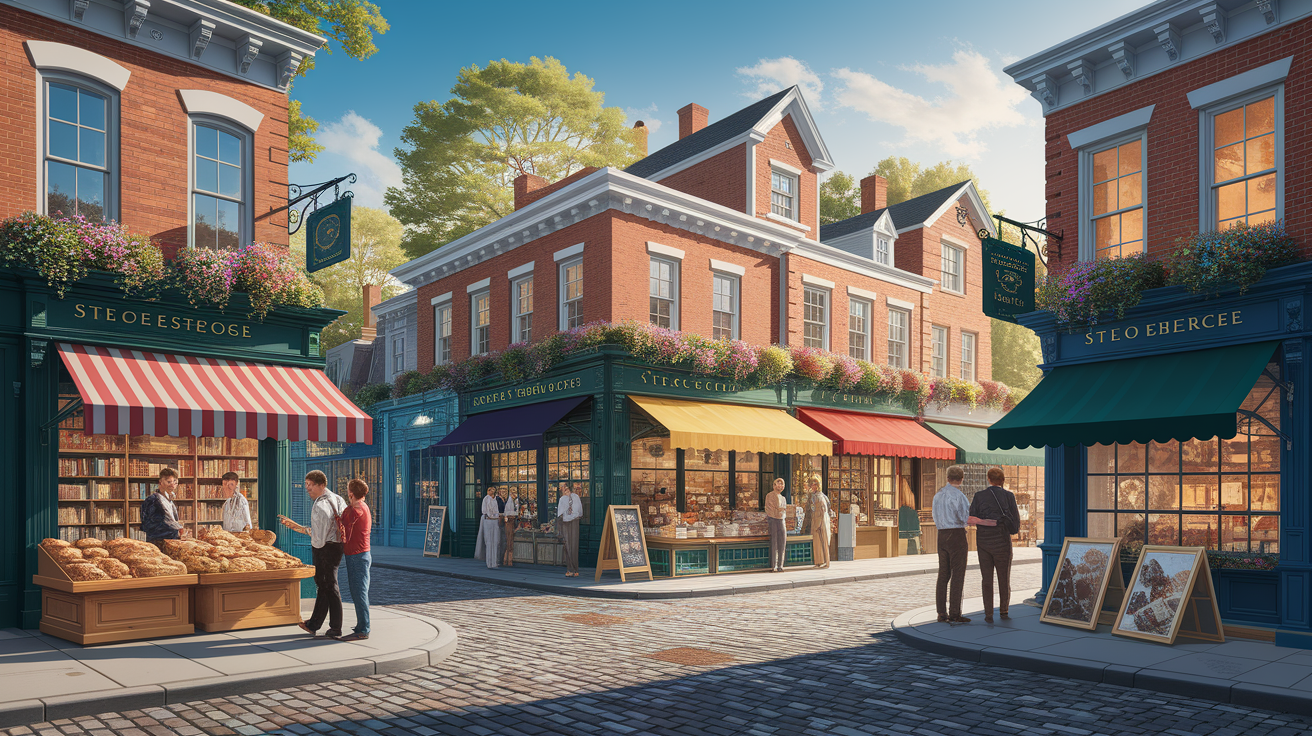
These heritage commerce landmarks—whether vintage storefronts, adaptively reused spaces, or family-owned enterprises—tell the story of a town’s resilience. Many of the buildings still stand, repurposed for modern use but preserving the essence of St. George’s historic business district.
The Cooperative Revolution: St. George Co-op Mercantile
The cooperative movement brought a fresh approach to traditional commerce in St. George. Before established stores could thrive, bartering was the norm. When a larger cooperative initiative began in Salt Lake City, local merchants formed the Southern Utah Cooperative Association in 1868—eventually becoming the St. George Co-op.

By 1876, the impressive Co-op Mercantile Building was completed, quickly becoming the hub of the commercial heritage in the area. The Co-op allowed local business owners and residents to avoid inflated prices from outside suppliers, strengthening the local economy for over fifty years. Goods ranging from fabrics to farming equipment were sold here, serving as a lifeline to the community.
Today, you can still visit this landmark; the original building now houses the Bear Paw Café. More background on this historic structure can be found through the Washington County Historical Society or by exploring the virtual walking tour of historical commercial buildings.
Women at the Helm: The Sisters’ Co-op Story
Not all pioneering entrepreneurs were men. When local women realized they had no voice in the cooperative’s decisions, they launched the Sisters’ Co-op across the street from the main Co-op. This bold move wasn’t just symbolic—it was competitive. Items like cotton thread sold for just 5¢ here, compared to 25¢ in the main Co-op.
The Sisters’ Co-op is a proud example of how women shaped St. George’s business traditions. Their efforts echoed through the historic commercial district, inspiring other community entrepreneurs to stand up for representation and fair pricing.
Faith and Commerce: Inside the Bishop’s Storehouse
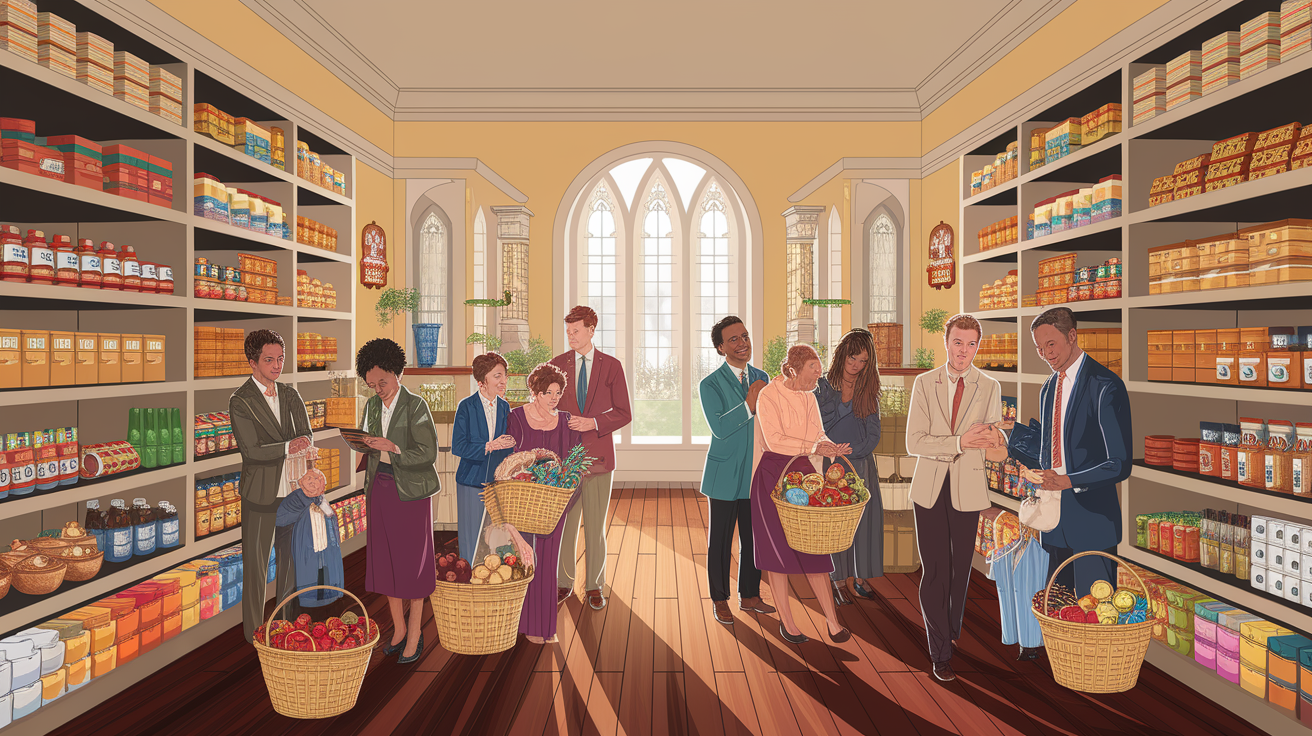
Religious organizations also played a leading role in the local business community. The Bishop’s Storehouse, built in 1887, served as both a commercial and social lifeline. Operated by The Church of Jesus Christ of Latter-day Saints, it stored tithes and offerings—often goods rather than money—then distributed them to widows, the poor, and others in need.

This traditional establishment kept many families afloat in an era when formal banking or large-scale retail didn’t exist locally. After fulfilling its church function, the storehouse was transformed into a bakery, then later became a real estate office at 17 North Main Street. Its history is richly documented in the Washington County Historical Society archives and can be seen in the walking tour video.
Agricultural Experiments: Cotton, Silk, and Beyond
Before downtown St. George evolved into a robust trading hub, the community’s economy leaned heavily on agriculture. The Cotton Mission of 1861 brought 309 families—many from the South—to grow cotton in the desert climate. Despite their skills, nature proved difficult to conquer: flooding, heat, and scarce water hindered production.
Still, settlers didn’t give up easily. They tried silk production in 1874, experimented with molasses, dried fruits, and even started winemaking ventures. These early industries shared one trait: adaptability. Though cotton never took off as hoped, these agricultural enterprises laid the groundwork for a diversified local economy.
Visitors interested in these origins can explore resources like the Washington County Historical Society landmark documentation or the historical site overviews at The Ledges.
From Brick to Boutique: Main Street’s Architectural Journey
Walking along Main Street in St. George’s historic downtown area is like strolling through an architectural timeline. The late 1800s brought buildings like the Co-op Mercantile, while the 1890s through the 1920s saw more permanent structures replace many of the earlier wooden designs. Each era left its mark on the historic retail landscape.

Many original sites found new life through adaptive reuse. The Bear Paw Café occupies the old Co-op building, while the Bishop’s Storehouse now serves a modern commercial purpose. This blend of old and new showcases how the city values its business heritage while supporting present-day local merchants.
For those keen on historic preservation and architecture, check out the downtown walking tour or explore detailed building histories from the Washington County Historical Society.
Everlasting Echoes: St. George’s Commercial Heritage Today
Many of St. George’s historic businesses and buildings continue to serve the community, whether in their original role or as part of a new enterprise. They stand as reminders of how established enterprises and family-owned businesses were built through perseverance and cooperation.
Exploring St. George’s historic commercial area isn’t just about nostalgia—it’s about understanding the city’s foundation. From the cooperative revolution to agricultural ingenuity, and from faith-led commerce to the architectural evolution of Main Street, every chapter of this local business history enriches our appreciation for today’s thriving downtown St. George.