

Beat the Heat: Essential Pet Care in St. George’s Desert
Searing Summers: Protect Your Pet from Day One
Here in St. George, Utah, the desert climate can be both breathtaking and challenging, especially for our four-legged friends. Summer often brings extreme temperatures well above what pets might be used to if they’ve come from cooler regions. From my own walks along city trails, I’ve quickly learned that a pet’s comfort and safety require close attention. Dogs cool themselves mainly through panting, which is less effective in hot, dry air — making them vulnerable to heat-related risks such as dehydration and heatstroke from day one in the desert environment.

If you’ve just moved here or adopted a pet, begin acclimating them gradually to the heat, and avoid strenuous activity during midday. Ensure they always have shaded areas to retreat to and fresh water within reach.
Spotting Heat Stress Before It’s Too Late
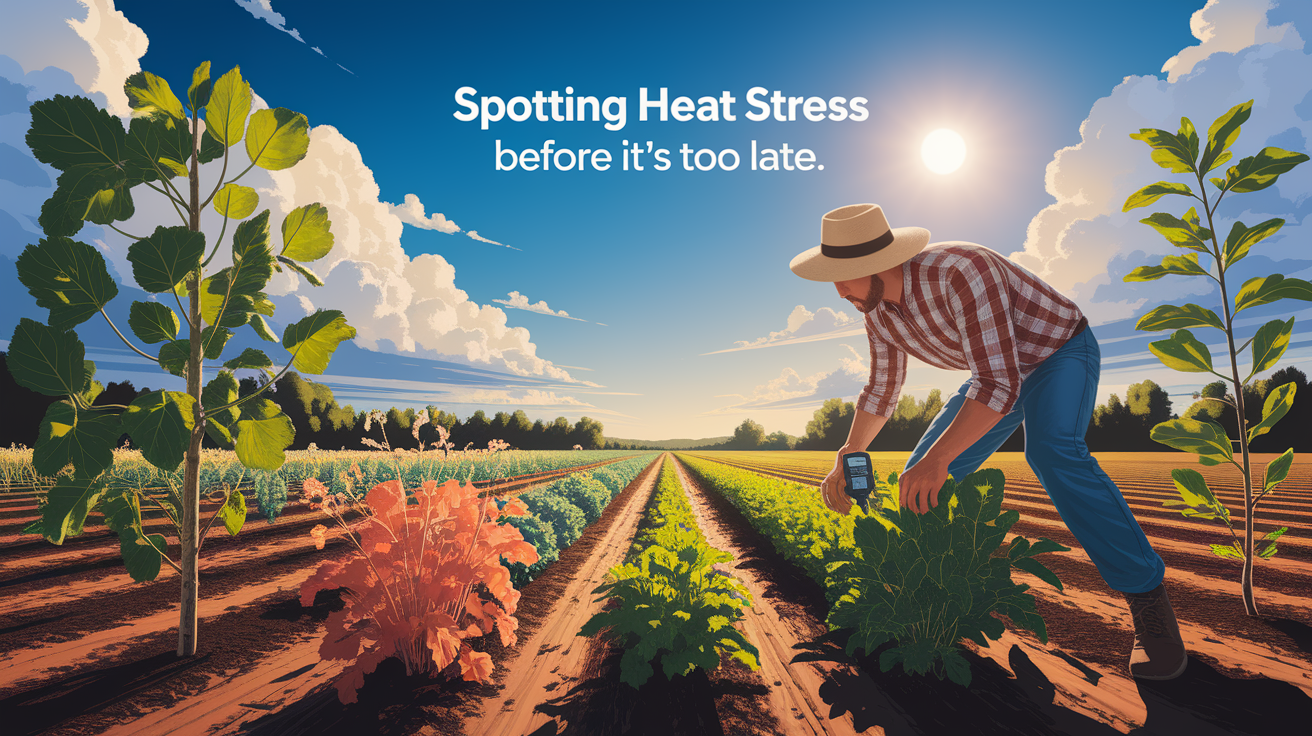
Recognizing the early signs of heat stress can make all the difference. St. George’s low humidity means pets lose moisture rapidly, and overheating can happen faster than you might expect. Warning signs include excessive panting, drooling, rapid breathing, reddened gums, vomiting, diarrhea, collapse, glazed eyes, and confusion. It’s worth reviewing safe exercise tips for hot weather so you know what to watch for, especially in flat-faced breeds, senior dogs, or those with medical conditions.
If your pet shows severe symptoms, seek veterinary care immediately. In this climate, minutes matter.
Shield Those Paws: Avoiding Surface Burns
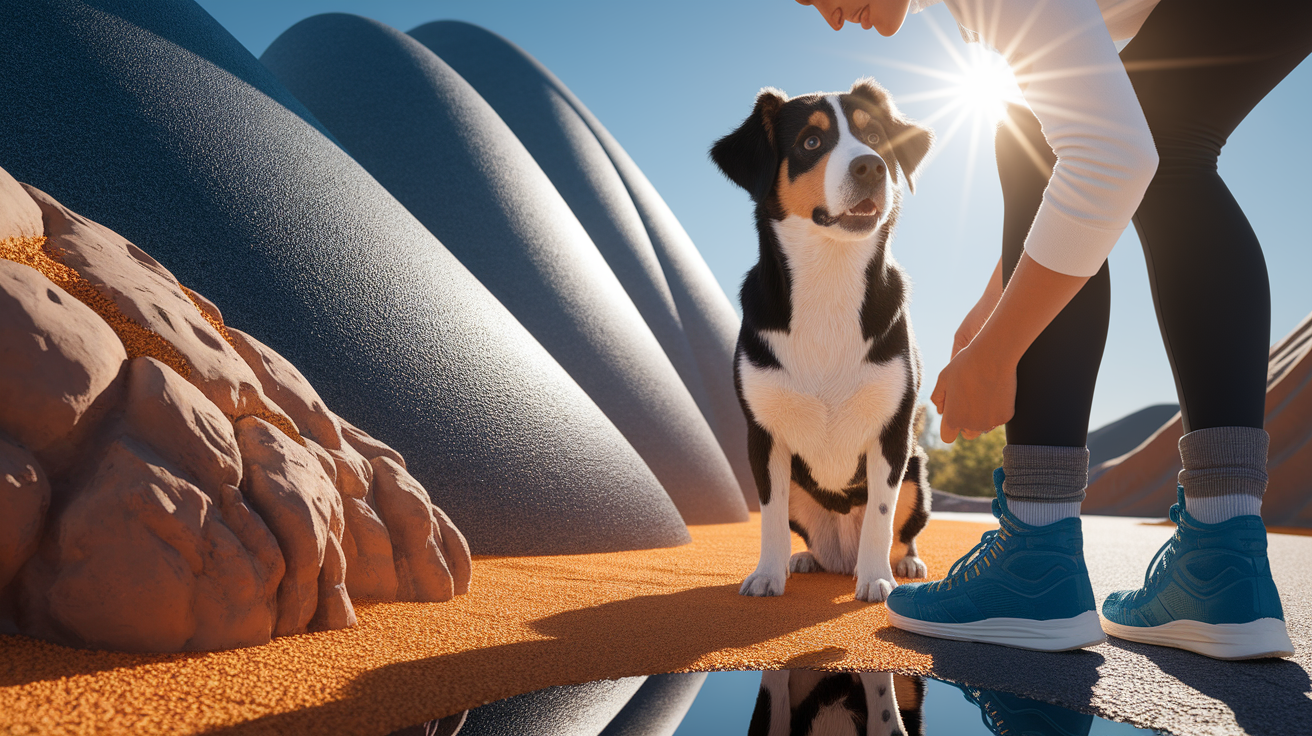
In the summer sun, asphalt, concrete, and even desert sand can get hot enough to cause paw pad burns within minutes. Surface temperatures can soar past 150°F and sometimes reach up to 180°F during peak midday heat. A helpful method is the “touch test” — press the back of your hand to the pavement for seven seconds. If it’s too hot for your skin, it’s too hot for your pet. Learn more from the Arizona Humane Society’s heat safety tips and keep in mind that walks are safest in the early morning or late evening.
- Prefer shaded or grassy paths.
- Use protective booties for extra safety.
- Carry a cooling mat for rest breaks outdoors.
Hydration Hacks for Low-Humidity Conditions
Dry desert air speeds up evaporation of moisture from your pet’s body, so maintaining hydration is key. Always have ample fresh, cool water available and refill bowls often. When traveling, pack a collapsible bowl, extra water, and a cooling mat. Quick breaks in shaded areas help regulate temperature. Hydration strategies recommend monitoring intake carefully and watching for signs like dry gums, sunken eyes, loss of skin elasticity, or unusual lethargy.

These small steps can prevent heat stress and keep pets active and happy even in the hottest months.
Navigating Desert Terrain Safely
St. George’s trails and open spaces are beautiful but can harbor hazards. Certain plants — such as cacti and foxtail grass — and desert wildlife like snakes or scorpions pose real risks. Cactus spines can embed painfully in paws or skin, and wildlife encounters may result in injury. According to local veterinary advice, keeping your pet leashed, avoiding rocky crevices, and steering clear of dense vegetation greatly reduces danger.

After outdoor play, do a quick check for thorns, burrs, or insect bites, and observe for limping, swelling, or unusual behavior — all signs that warrant prompt veterinary attention.
Emergency Response: Acting Fast Against Heat Illness
Quick action is critical if your pet suffers from heat exhaustion or heatstroke. Desert summer safety guidelines suggest that you:
- Move your pet immediately to a cool, shaded location.
- Offer small amounts of cool (not cold) water for sipping.
- Apply cool, damp towels to the head, neck, and chest to lower body temperature.
- Seek professional care at the nearest animal hospital for any severe symptoms.
Review preventive and emergency tips so these steps are second nature if disaster strikes. Even a brief delay in treatment can have serious consequences in desert heat.
Chill Out: Your Desert Pet Protection Checklist
Here’s a quick checklist I share with fellow pet owners to help safeguard against hot weather hazards in St. George:
- Plan walks in early morning or late evening to avoid high pavement temperatures.
- Provide constant shade and indoor cooling options — fans or air conditioning help immensely.
- Carry water and a collapsible bowl on every outing.
- Know the warning signs of heat stress and act immediately if noticed.
- Use protective booties and cooling mats for added comfort.
- Keep pets leashed near unfamiliar or rugged desert terrain.
- Have your veterinarian’s emergency contact number readily available.
With thoughtful care and a few precautionary measures, you can enjoy the stunning desert environment of St. George with your pets — all while keeping them safe, cool, and healthy.