

St. George Neighborhood Tool Library Startup Guide
Welcome to St. George’s Community Toolbox
If you’ve ever wished for a way to borrow tools as easily as checking out a book from your local library, a neighborhood tool library might be exactly what St. George needs. A tool lending library is a community-focused resource where neighbors can access shared equipment at low or no cost, saving money and reducing waste. Beyond just borrowing, these spaces often become hubs of social connection, skill-sharing, and community pride.
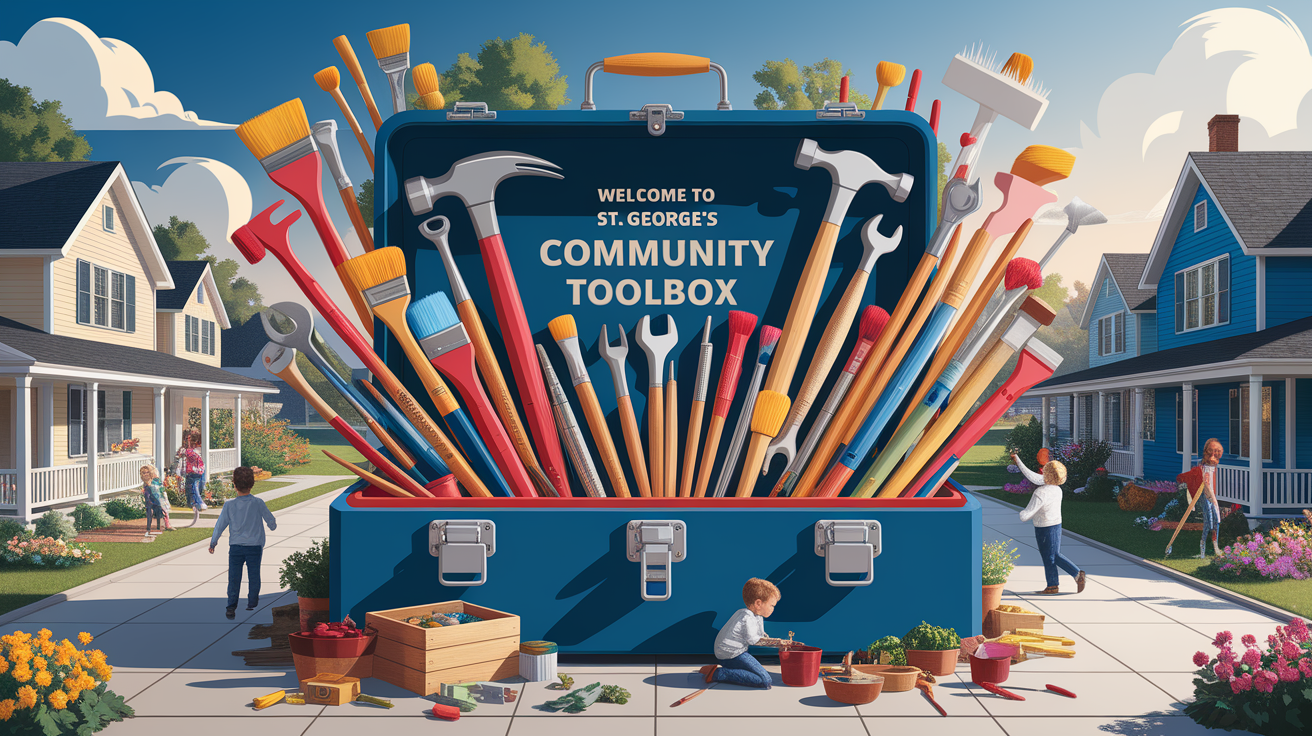
In St. George, starting such a project could mean bringing together DIY enthusiasts, gardeners, and anyone wanting to tackle home improvements without buying costly equipment. It’s a piece of the broader movement toward collaborative consumption and sustainable living, tailored to our own community’s needs.
Securing Space and Tools
The first step is deciding where your tool library will live. Many successful libraries start in donated spaces like unused garages, community centers, or even sheds next to a community garden. In St. George, reaching out to your neighborhood association, local makerspaces, or civic organizations could lead to a good fit.

As for tools, begin with what people are willing to donate — think hammers, drills, ladders, and garden spades. You can also partner with local hardware stores for discounted or donated equipment. Keep your first collection manageable, focusing on the most useful and versatile items for home repairs and outdoor projects.
Building Organizational Structure and Policies
Most tool libraries operate as nonprofit organizations. This structure aligns with their mission to serve the community rather than turn a profit. You’ll need a basic set of policies covering borrowing terms, maintenance responsibilities, and member eligibility.

- Decide on membership requirements (e.g., age, residency).
- Create clear lending rules (loan periods, overdue fees).
- Outline maintenance and repair responsibilities for damaged tools.
The Repair Economy WA guide offers comprehensive examples of operational policies tailored for community tool sharing programs.
Funding and Financial Sustainability
Startup costs vary, but typical expenses include tools, storage, insurance, and technology. Funding sources might include local grants, membership fees, donations, and crowd-funding campaigns. In St. George, consider partnerships with local businesses or municipal community development funds to cover early expenses.

Membership systems can balance accessibility with sustainability — even a modest annual fee helps cover insurance and repairs. Combine this with special fundraising events, like a “tool drive” or a DIY workshop day, to build both revenue and engagement.
Inventory Management and Technology
Keeping track of your tools is critical for smooth library operations. Platforms like ‘myTurn’ simplify tool reservations, tracking, and member management. This software can help you avoid mix-ups and reduce loss or damage.

- Label all tools with an ID number or barcode.
- Update inventory lists regularly.
- Log usage to track wear and plan maintenance.
See the Tool Library FAQ for tips on managing collections and integrating technology into daily operations.
Community Engagement and Programming
A tool library thrives when it’s more than just a lending service. St. George’s version could host repair cafes, gardening classes, or DIY skill-building workshops. These events strengthen neighborhood cooperation and keep your library relevant to a wide audience.
Consider outreach:
- Present at neighborhood association meetings.
- Advertise through local social media groups.
- Collaborate with schools or community gardens for shared programming.
The Sierra Service Project showcases how such programs can foster lasting bonds and increased community participation.
Liability, Insurance, and Legal Considerations
Safety comes first. Liability insurance protects your organization in case of injuries or damages. In Utah, make sure you comply with any local permitting or zoning rules for storage and operations.
Key steps include:
- Require members to sign a waiver acknowledging tool use risks.
- Maintain tools in good working condition.
- Document regular safety inspections.
The guide to tool libraries touches on important legal policies and insurance needs for community equipment sharing.
Measuring Success and Scaling Up
In St. George, success might be measured by the number of active members, borrowed tools, or community workshops held. Tracking these metrics helps guide decisions about expanding your inventory or extending hours.
As interest grows, you can scale up through partnerships with nearby neighborhoods, adding specialized equipment, or even creating mobile lending units to serve the wider area.
Forging Forward: Sustaining Your St. George Tool Library
Once your library is running, sustainability depends on continual engagement, careful budget planning, and steady tool maintenance. Keep the community involved with volunteer opportunities, fresh programming, and transparent updates on library impact.
St. George’s tool library could become a model of grassroots organization, shared economy, and environmental sustainability. By blending resource sharing with local pride, you’re not just lending tools — you’re building a stronger, more connected city.