
Discover the Wonders of St. George’s Desert Wildlife Encounters
Introduction – A Journey into the Wild Heart of St. George
There’s something magical about venturing into the desert landscapes surrounding St. George. As someone who’s spent countless mornings and evenings exploring these remarkable terrains, I can tell you that the wildlife here offers some of the most unique encounters in the Southwest. From elusive Gila monsters to soaring raptors, the desert around St. George is teeming with life that has perfectly adapted to these seemingly harsh conditions.

Whether you’re planning your first visit or returning to discover more hidden treasures, this guide will help you navigate the best spots for wildlife viewing while ensuring both your safety and the preservation of these precious desert ecosystems.
Exploring St. George’s Unique Desert Landscapes
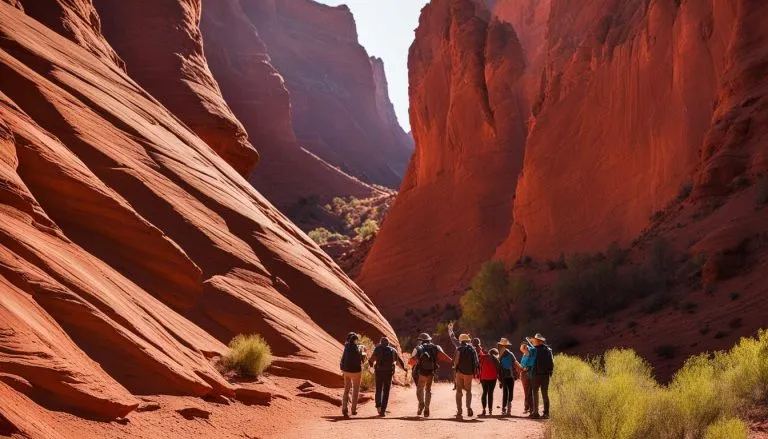
St. George sits at a fascinating ecological crossroads where the Mojave Desert meets the Great Basin Desert, creating diverse habitats that support an impressive variety of wildlife. The area boasts stunning red rock formations, ancient lava tubes, and narrow slot canyons that provide shelter for countless desert creatures.
The Red Cliffs National Conservation Area just north of the city offers some of the most accessible wildlife viewing opportunities. Here, the distinctive red sandstone provides a striking backdrop for spotting desert dwellers going about their daily routines.
One of my favorite aspects of this region is how the landscape tells stories spanning millions of years. At Dino Cliffs Trail, you can actually see dinosaur tracks preserved in stone while keeping an eye out for their modern reptilian relatives. The Lava Flow Trail presents another fascinating ecosystem where ancient lava formations create unique microhabitats for specialized desert species.
Wildlife You Might Encounter
The desert around St. George hosts a remarkable variety of animals, each specially adapted to survive in this arid environment. Here’s what you might spot during your explorations:
Remarkable Reptiles
The star attractions of St. George’s desert wildlife scene are undoubtedly the reptiles. The colorful and venomous Gila monster makes rare appearances, typically in more remote areas during the cooler morning hours. These distinctive lizards with their orange and black beaded skin are protected by law, so admire them from a respectful distance.
Chuckwallas are another fascinating lizard species you might encounter sunning themselves on rocks. When threatened, they wedge themselves into rock crevices and inflate their bodies to avoid being pulled out by predators – nature’s perfect defense mechanism!

The iconic desert tortoise, a threatened species, moves slowly across the landscape leaving distinctive tracks. Encountering one of these ancient reptiles is always a special moment.
Birds of the Desert
Early mornings and evenings are perfect for spotting the Greater Roadrunner darting across trails. These charismatic birds are surprisingly fast and incredibly adapted to desert life. Burrowing owls might peek out from abandoned rodent holes, while hawks and eagles soar overhead searching for prey.
Desert Mammals
Patient wildlife watchers might be rewarded with sightings of coyotes, especially at dawn or dusk. In rockier areas near the mountains, bighorn sheep can sometimes be spotted navigating seemingly impossible terrain with ease. The tiny kangaroo rat, perfectly evolved to conserve water in the desert, is often active at night.
Best Trails for Wildlife Sightings
While wildlife can appear anywhere in the desert, certain trails consistently offer better chances for memorable encounters:
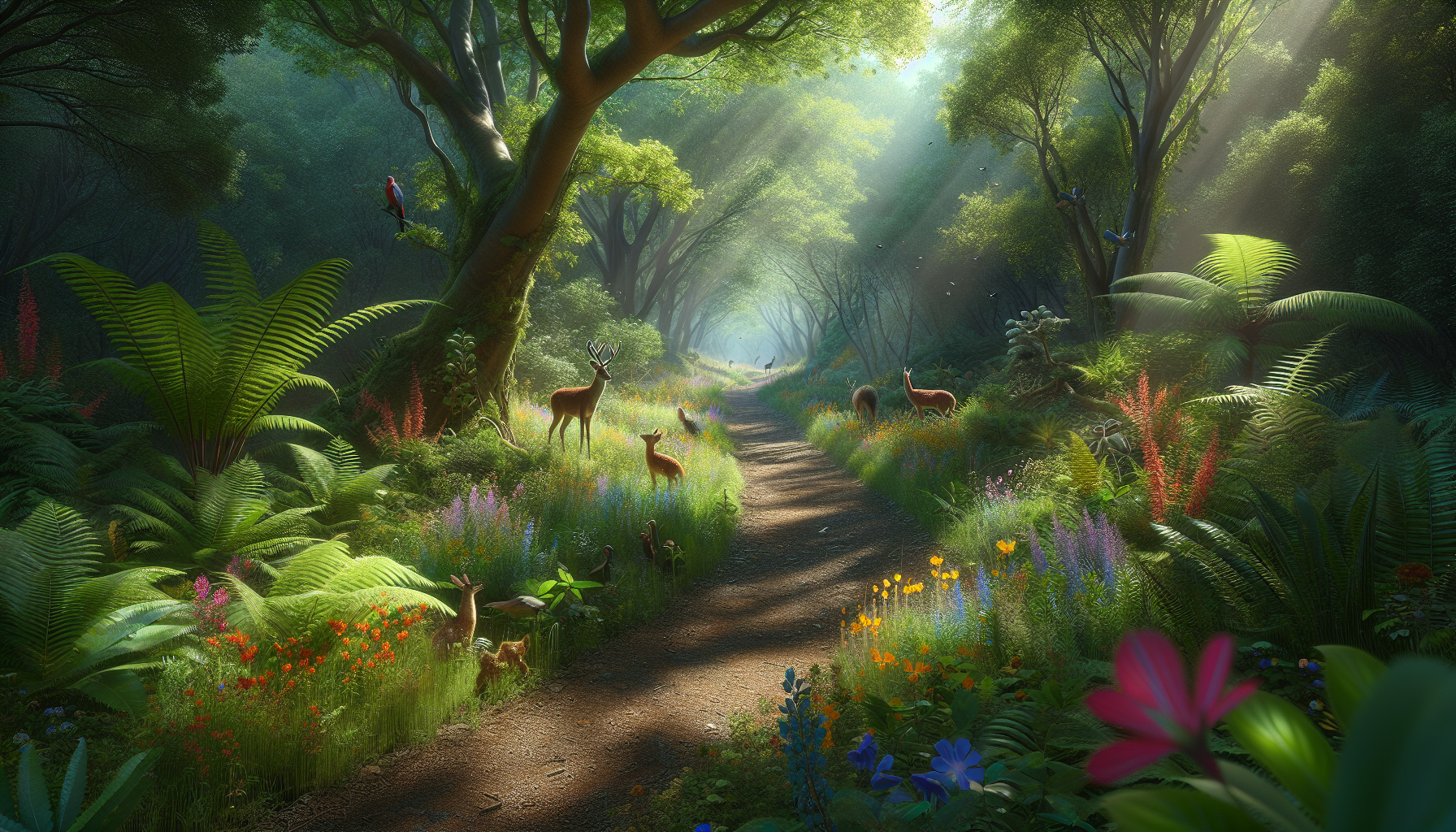
- Jenny’s Canyon – This short hike leads to a stunning slot canyon where you can often spot lizards and desert birds. The cooler microclimate inside the canyon provides refuge for wildlife, especially during hotter months.
- Red Reef Trail – Located in the Red Cliffs Recreation Area, this trail follows a stream where wildlife naturally gathers. The water pools attract various birds and reptiles, particularly in early mornings.
- Dino Cliffs Trail – Beyond the fascinating dinosaur tracks, this trail offers excellent opportunities for spotting chuckwallas, lizards, and various birds against spectacular red rock formations.
- Lava Flow Trail – The ancient lava tubes and formations in Snow Canyon State Park provide shelter for numerous desert creatures. The contrast between black lava and red sandstone creates diverse microhabitats worth exploring.
For the best wildlife viewing experiences, I always recommend starting your hikes early in the morning (before 9 AM) or in the late afternoon (after 4 PM), when desert animals are most active and the temperatures are more moderate.
Safety and Conservation Tips
Encountering wildlife in their natural habitat is a privilege that comes with responsibilities:
Staying Safe Around Desert Wildlife
While most desert creatures avoid human contact, it’s important to know how to react when encounters occur:
- Always maintain a safe distance from all wildlife – use binoculars or a camera zoom lens for close-up views
- Never attempt to touch, feed, or handle wild animals, especially venomous reptiles like Gila monsters
- Stay on designated trails to avoid disturbing burrows or nests
- Watch where you step and place your hands when climbing over rocks
- If you encounter a rattlesnake, remain calm, give it space, and allow it to move away
The extreme heat of St. George’s desert can be just as dangerous as the wildlife. Always carry plenty of water, wear sun protection, and avoid strenuous hikes during the hottest parts of the day.
Conservation Awareness
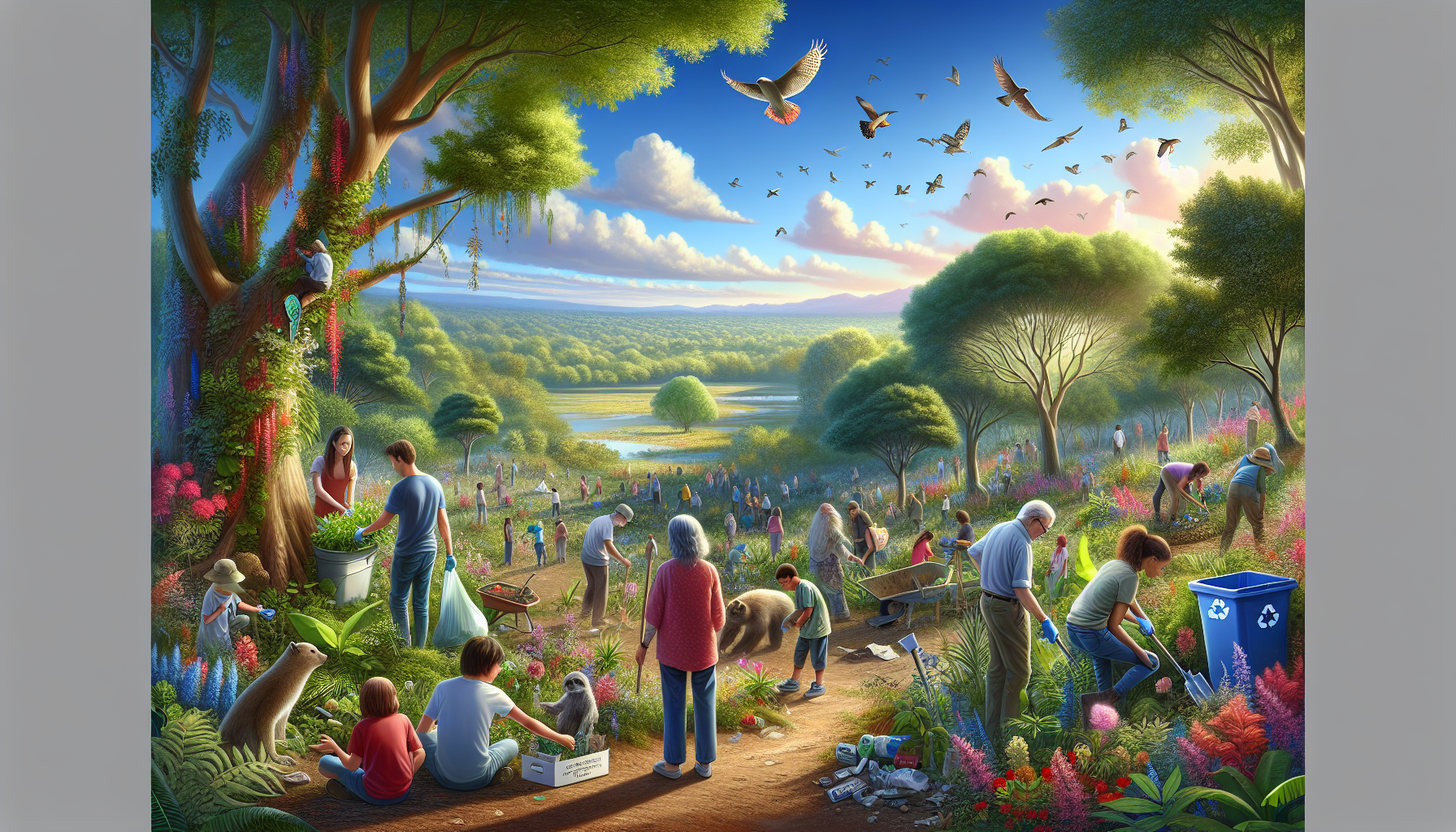
The desert ecosystem is more fragile than it appears. When visiting areas like Red Cliffs, remember:
- Follow Leave No Trace principles – pack out all trash
- Stay on established trails to prevent habitat destruction
- If you encounter a desert tortoise, observe from a distance and never pick it up (it may empty its bladder, causing dangerous dehydration)
- Respect seasonal closures designed to protect breeding wildlife
By practicing wildlife-aware behavior, you help ensure these amazing creatures will be here for future generations to enjoy.
Guided Tours and Educational Experiences
If you’re new to desert wildlife watching or want to maximize your chances of memorable encounters, consider joining a guided experience:
- Naturalist-Led Tours – Several local companies offer guided nature walks specifically focused on wildlife spotting. These guides know exactly where and when to look for certain species.
- St. George Wildlife Museum – When you want to learn more about the animals you’ve spotted, this museum offers excellent exhibits on native species and their adaptations.
- Evening Desert Walks – Some operators offer specialized night walks where you can observe nocturnal creatures like kangaroo rats and owls.
For families with children, these guided experiences can be particularly valuable, as they combine education with adventure in a safe environment. Some tours even provide special equipment like UV flashlights that make scorpions glow in the dark – always a hit with younger wildlife enthusiasts!
More adventurous visitors might enjoy camel safari day trips that venture into more remote desert areas where wildlife sightings can be especially rewarding.
Conclusion – Embrace the Wild Beauty of St. George
The deserts surrounding St. George offer some of the most accessible and rewarding wildlife viewing opportunities in the Southwest. Whether you’re hiking through ancient lava flows, exploring slot canyons, or simply sitting quietly at dawn near a water source, the chance to connect with these remarkable desert creatures awaits.
I’ve been fortunate to guide countless visitors through these special landscapes, and the look of wonder when someone spots their first Gila monster or watches a roadrunner dash across their path never gets old. These encounters remind us of the resilience and adaptation that make desert wildlife so fascinating.
So pack your binoculars, fill your water bottles, and set out to discover the wild heart of St. George. The desert may seem harsh at first glance, but with patient observation, it reveals itself as a place teeming with life and surprising beauty.