

Fortify Your St. George Yard: A Practical Wildlife-Proofing Guide
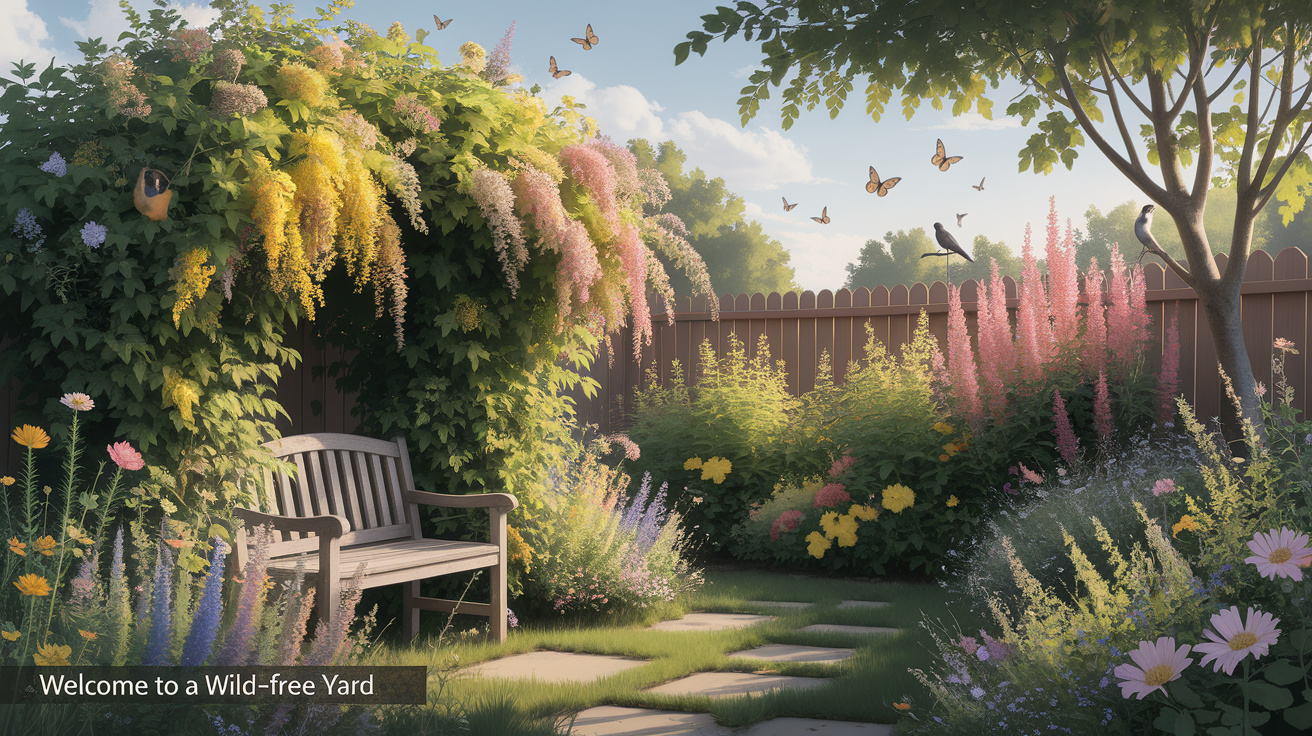
Welcome to a Wild-Free Yard
If you’ve spent any time enjoying your yard here in St. George, you’ve probably spotted some of our desert wildlife wandering by. While many of these animals are beautiful to watch from a distance, they can quickly become unwanted guests when they start damaging gardens, digging in lawns, or raiding trash bins. A wildlife-proof yard isn’t about cutting nature out completely — it’s about protecting your space while keeping harmony with the surrounding environment.
Understanding St. George’s Nuisance Wildlife
Living in St. George means sharing space with a variety of desert and suburban wildlife. According to resources like UF/IFAS Extension, common nuisance species here include rabbits, squirrels, groundhogs, raccoons, skunks, opossums, deer, and sometimes moles or armadillos. They’re attracted to yards by easy access to food, water, and shelter.

For instance:
- Rabbits and groundhogs often target garden plants and vegetables.
- Raccoons and opossums may get into unsecured trash or pet food left outdoors.
- Deer can browse on ornamental shrubs or flowers.
- Burrowing animals like moles and armadillos can disturb lawns and garden beds.
Knowing which visitors are most common in your area is the first step toward effective yard protection and long-term pest management.
Installing Effective Physical Barriers
For solid, dependable protection, physical barriers are hard to beat. Fencing made of chicken wire or hardware cloth can keep out rabbits, groundhogs, squirrels, and even burrowing critters if installed correctly. According to detailed guides like Tomcat Brand, barriers should be:

- At least 2 feet tall for small mammals.
- Buried 1.5 feet underground with an outward slant.
- Bent into an “L” shape below ground to block diggers.
For larger animals such as deer, electric fencing or tall double fences can add security. Protecting individual plants with wire cloches or seedling tubing is another smart move. You can find more step-by-step tips from Northwest Exterminating to adapt these barriers for St. George’s unique climate.
Modifying the Yard Environment
Sometimes it’s not about building walls — it’s about making your yard less appealing to wildlife. This is called habitat modification, and it works hand in hand with barriers for long-term success.

Here are simple changes that make a big difference:
- Secure trash bins with tight lids and animal-proof locks.
- Bring in pet food bowls after meals and store feed indoors.
- Pick up fallen fruit and clean up spilled birdseed promptly.
- Cut back brush and trim shrubs to remove hiding spots.
- Plant deterrent species like garlic, daffodils, lavender, or marigolds.
Not only does this form of landscape protection discourage unwelcome visitors, it often improves the yard’s appearance and supports drought-resistant landscaping suited to our Utah desert climate.
Applying Natural Repellents and Deterrents
If fencing isn’t your style or you want extra protection, natural repellents and deterrents can put wildlife off without harming them. Options include hot pepper spray, garlic clippings, coffee grounds, and even predator urine, all of which make vulnerable areas less inviting.

Scare tactics can work well too:
- Motion-activated sprinklers to startle animals.
- Lights or noisemakers for nocturnal visitors.
- Garden spinners or shiny objects that catch the sun.
- Well-placed decoy predators.
Local pest control insights from Northwest Exterminating note that rotating deterrents every so often helps keep animals from becoming used to them.
Routine Maintenance and Monitoring
Wildlife-proofing isn’t a one-time chore — it’s ongoing property management. A fence that worked last year might have a gap today, and repellents fade over time. Set a schedule to check your barriers, refill repellents, and tidy the yard. Keep an eye out for new burrows or chewed plants, as quick action can prevent a small problem from escalating.
Seasonal checks are also helpful, since wildlife activity changes throughout the year. For instance, some species are more active during spring and fall, and drought periods may draw more animals to your yard looking for water.
Seal the Deal on a Critter-Free Yard
By combining physical barriers, smart habitat changes, natural deterrents, and steady upkeep, you can enjoy a safe and comfortable outdoor space without unwelcome animal visitors. Whether you’re taking a DIY approach or calling in professional wildlife control services, the key here in St. George is to think ahead and stay consistent. With a little effort, you can have a yard that’s as inviting for you as it is unappealing to pests.


